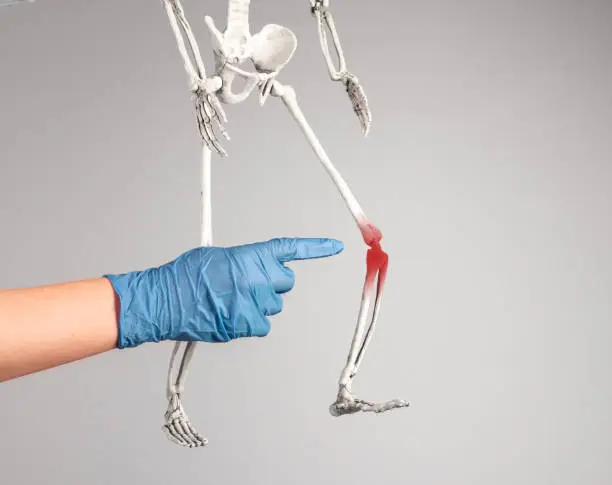
The pain of a meniscus tear can feel overwhelming and disheartening. It affects your ability to walk, work, and enjoy life fully. While surgery is often the suggested path, it is not always necessary. Many individuals find significant relief and even full recovery through natural methods. They do not have to worry about the risks and downtime that come with surgical intervention. This article will walk you through ways to heal a meniscus tear without surgery.
Focus on Rest and Activity Modification
To heal a meniscus tear without surgery, you need to start by taking pressure off your knee. Stop any activities that aggravate the pain, such as running, jumping, or twisting. Rest gives your meniscus time to repair itself.
However, complete inactivity can stiffen the joint and weaken the surrounding muscles. Instead, shift to low-impact activities. Walking on flat surfaces or swimming can keep you active without adding strain. Listen to your body and avoid pushing through pain.
Apply the RICE Method
The RICE method is a well-known approach to injury management and can help with meniscus tears, too.
- Rest your knee and avoid putting too much weight on it.
- Ice the area for 15-20 minutes every two to three hours to reduce swelling.
- Compression with a knee brace or elastic bandage offers added stability.
- Elevation helps reduce swelling by allowing fluid to drain away from the knee joint.
This method, when applied consistently, can provide significant relief.
Strengthen the Knee with Specific Exercises
Physical therapy plays a crucial role in natural recovery. Strengthening the muscles around your knee stabilizes the joint and reduces strain on the injured meniscus.
Some simple yet effective exercises include:
- Straight leg raises: Lie down, lift one leg straight up, keep the other bent, and repeat.
- Mini squats: Perform a shallow squat while holding onto a counter for support.
- Heel slides: Slide your heel toward your buttocks while keeping your foot on the ground.
Make sure to consult a physical therapist for a tailored exercise plan. Proper form and gradual progression are vital for avoiding further injury.
Support Knee Recovery Through Nutrition
What you eat influences how quickly your body heals itself. Focus on a diet rich in anti-inflammatory foods and essential nutrients.
- Collagen: Found in bone broth or certain supplements, collagen may support cartilage repair.
- Vitamin C: Oranges, strawberries, and bell peppers help in collagen production and tissue healing.
- Omega-3 fatty acids: Fish, like salmon, and walnuts can reduce inflammation in your body.
Avoid inflammatory foods, such as those high in refined sugars and processed fats. Hydration is equally crucial; adding plenty of water keeps your joints healthy and lubricated.
Try Alternative Therapies
Many people turn to alternative therapies for natural healing. Options you may explore include:
- Acupuncture: Helps reduce pain and improve blood flow to the injured area.
- Massage therapy: Eases tension in surrounding muscles and promotes circulation to the knee.
- Chiropractic care: Offers realignment and relief in cases where other joint misalignments are adding pressure.
Make sure you consult licensed and experienced professionals for these therapies to ensure safe and effective treatment.
Use a Quality Knee Brace
A knee brace provides support as your meniscus heals. It stabilizes the knee, prevents awkward movements, and allows the tear to recover without further irritation.
Choose a brace designed for meniscus injuries. Make sure you wear it as recommended by your doctor or physical therapist.
When Surgery May Be Necessary
Natural healing is effective for many. However, some cases do require surgery. This is especially the case if the tear is major or if symptoms are persistent. Here are instances when surgery may become unavoidable:
Persistent Pain
Some people are unable to alleviate the pain through natural methods after 6-8 weeks. If this happens to you, consult an orthopedic doctor.
Mechanical Symptoms
Issues like the knee locking up or buckling under weight often signal the need for surgical intervention.
Extensive Tears
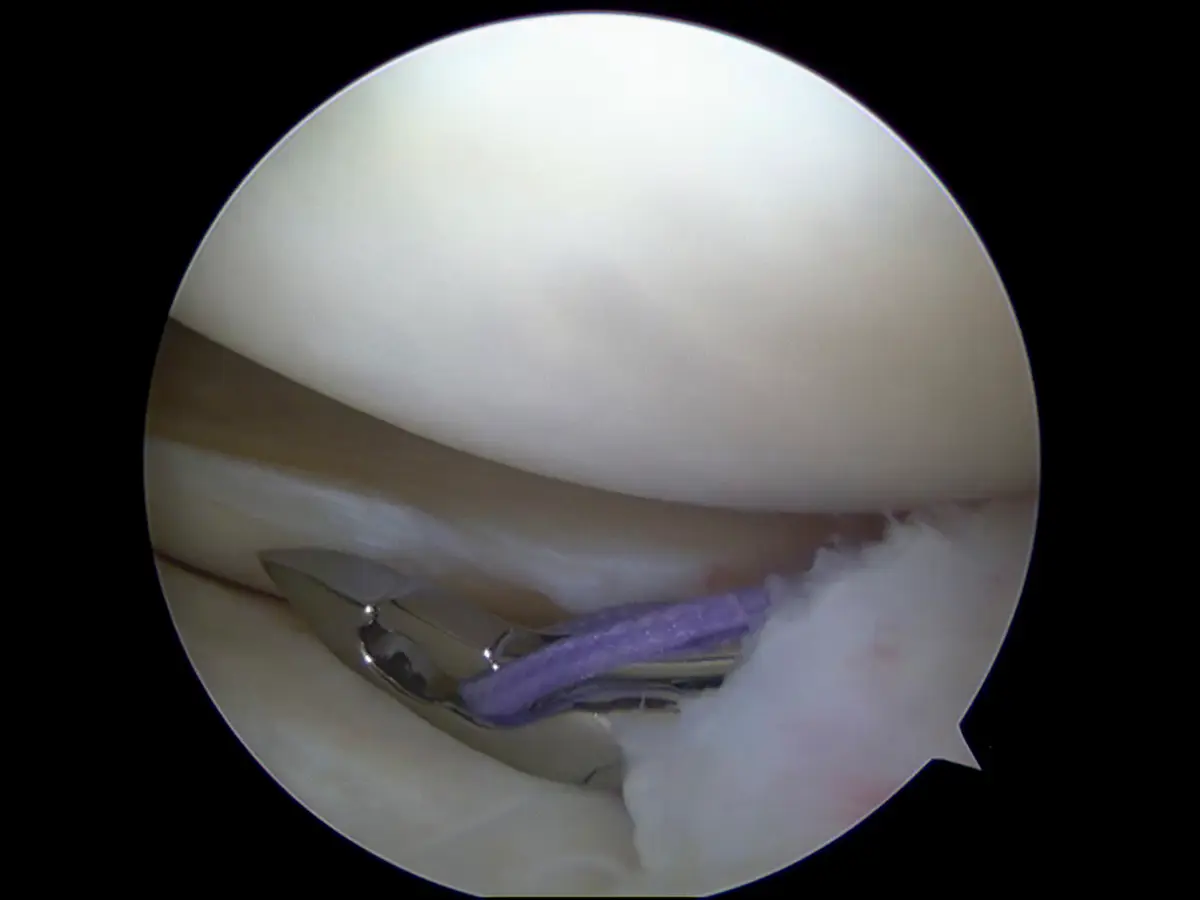
A tear that severely limits movement or causes instability may require repair. Modern surgical techniques are minimally invasive. They often use arthroscopy to repair or, if needed, remove damaged tissue. Recovery is typically faster than traditional open surgeries.
How to Find the Right Orthopedic Doctor for Meniscus Tear Treatment
When it comes to care, trust is crucial. Finding an expert orthopedic doctor helps you receive sound guidance for your particular case. Here is how to find the right specialist for you.
Research Reviews and Credentials
Look for a doctor who specializes in knee injuries. See if they have a proven track record of successful treatment and satisfied patients. Search online reviews and verify board certifications.
Consult Your Network
Ask friends, family, or colleagues for recommendations. Word-of-mouth from others can give insight into the doctor’s communication style and expertise.
Choose Specialists
Look for doctors who have experience handling joint and knee issues. They are more likely to have advanced diagnostic tools and tailored treatment plans.
Evaluate Facilities
A reputable clinic or hospital will utilize advanced equipment and modern treatment options. The staff will also be experienced in orthopedic care.
Schedule a Consultation
Meet your doctor and ask questions about your injury and treatment options. See if their approach aligns with your goals, such as attempting natural treatments first.
Heal a Meniscus Tear Without Surgery in Boynton Beach, FL
It is possible for many people to heal a meniscus tear without surgery. To do this, you need to rest, stay active, eat the right foods, and seek out therapies. This way, you can recover and regain mobility. However, surgery may sometimes become necessary. When this happens, partnering with the right medical professionals can help you get attentive, personalized care.
At Personalized Orthopedics of the Palm Beaches, we believe in tailored care that respects your goals. Whether you want to try natural methods or other treatments, our team is here to guide you every step of the way. Call our office to take your first step toward recovery today, or use our online appointment request form.
We look forward to serving you!
Sources:
https://my.clevelandclinic.org/health/diseases/17219-torn-meniscus
https://www.mayoclinic.org/diseases-conditions/torn-meniscus/symptoms-causes/syc-20354818
https://www.mayoclinic.org/diseases-conditions/torn-meniscus/diagnosis-treatment/drc-20354823
This article is for general education and is not medical advice. For advice about your condition, talk with your physician. Request an appointment with our team.