Signs and Symptoms
Sports injuries generally fall into two groups:
- Acute injuries: a sudden pop, twist or impact followed by pain, swelling, bruising, instability or trouble bearing weight. Examples include ACL tears, meniscus tears, shoulder dislocations, sprains and fractures.
- Overuse injuries: pain that builds gradually with training and often worsens during or after activity. Examples include tendonitis, tennis elbow, shoulder impingement, hip bursitis and stress reactions in bone.
A knee that gives way, a shoulder that feels loose, weakness lifting your arm, or pain that changes how you move are all worth having checked.
What Causes It?
Acute injuries come from a fall, collision, awkward landing or sudden change of direction. Overuse injuries come from repeated stress without enough recovery: increasing training too quickly, poor technique, worn or ill-fitting equipment, muscle imbalances and returning too soon after a prior injury. In Palm Beach County we commonly see injuries from tennis, pickleball, golf, running, cycling, soccer, basketball and gym training.
How We Diagnose It at POPB
Your visit starts with a history of how the injury happened and a hands-on exam. X-ray, MRI and diagnostic ultrasound are available in our office, so imaging can often be done without a separate trip. Dr. Adelman uses ultrasound to look at tendons and ligaments in real time and to guide injections.
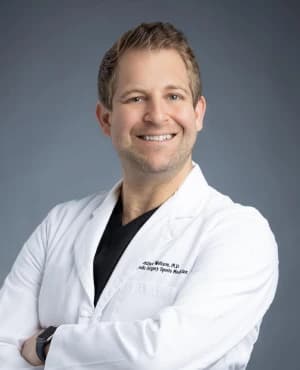
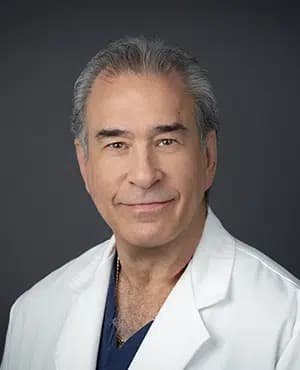
Care is matched to the injury. Dr. Adelman focuses on non-operative sports medicine. Dr. Wolfson and Dr. Chalal are fellowship-trained sports medicine surgeons for knee, shoulder and elbow injuries, and Dr. Press treats sports injuries of the shoulder, hip and knee in adults and teens.
Non-Surgical Treatment Options
Most sports injuries are treated without surgery. Depending on the injury, your plan may include:
- Relative rest and activity changes, while keeping the rest of your body conditioned
- Bracing, taping or a boot for protection
- Physical therapy in our office to restore motion, strength and sport-specific movement. Therapists share your chart with your physician and help plan your return to play.
- Ultrasound-guided injections when appropriate
- Shockwave therapy or MLS laser therapy for some overuse injuries; coverage varies by plan
- PRP injections for selected cases. PRP is prepared from your own blood, evidence is still developing, results vary, and it is usually not covered by insurance.
Surgical Options
Surgery may be recommended for injuries that do not heal well on their own or that leave a joint unstable, such as many ACL tears, some meniscus tears, larger rotator cuff tears, recurrent shoulder dislocations and labral tears. Our surgeons perform arthroscopic procedures, using a small camera and instruments through small incisions, including ACL reconstruction, meniscus repair, rotator cuff repair and shoulder stabilization. Surgery is performed at area hospitals and surgery centers, and rehabilitation continues in our office.
Recovery
Recovery ranges from a few days for a minor strain to about 9 to 12 months to return to cutting and pivoting sports after ACL reconstruction. Return to play is based on reaching milestones in strength, motion and sport-specific testing, not on the calendar alone. Your physician and therapist will guide each stage, and timelines vary by injury and person.
Insurance and Cost
Evaluation, imaging, physical therapy and surgery for sports injuries are generally covered by Medicare and most commercial PPO plans when medically necessary. PRP and other biologic injections are usually not covered. Shockwave and MLS laser coverage varies, so ask our team. HMO and managed-care plans need a referral in our office before your visit. Our staff verify benefits when you call.
When to Be Seen
Call our office if you cannot return to your sport after a few days of rest, if a joint feels unstable, if swelling returns with activity, or if pain changes how you move.
Go to the emergency room or call 911 for a limb that looks deformed, inability to bear weight, a suspected head or neck injury, numbness or weakness after an impact, or a hand or foot that is cold, pale or numb.