A common complaint for many Americans of all ages is knee pain. Causes of knee pain can come from a sustained injury to arthritis and other conditions. Knee pain can be minimal to acute, depending on the severity of the knee joint’s damage.
Persistent knee pain can negatively affect your life and long-term health. If it worsens without medical intervention, it can develop into a lifelong disability. When knee pain becomes debilitating, it might be time to explore surgical options to find relief.
Here are some factors to consider when thinking about whether knee replacement surgery is right for you:
What Is Knee Replacement and How Does It Work
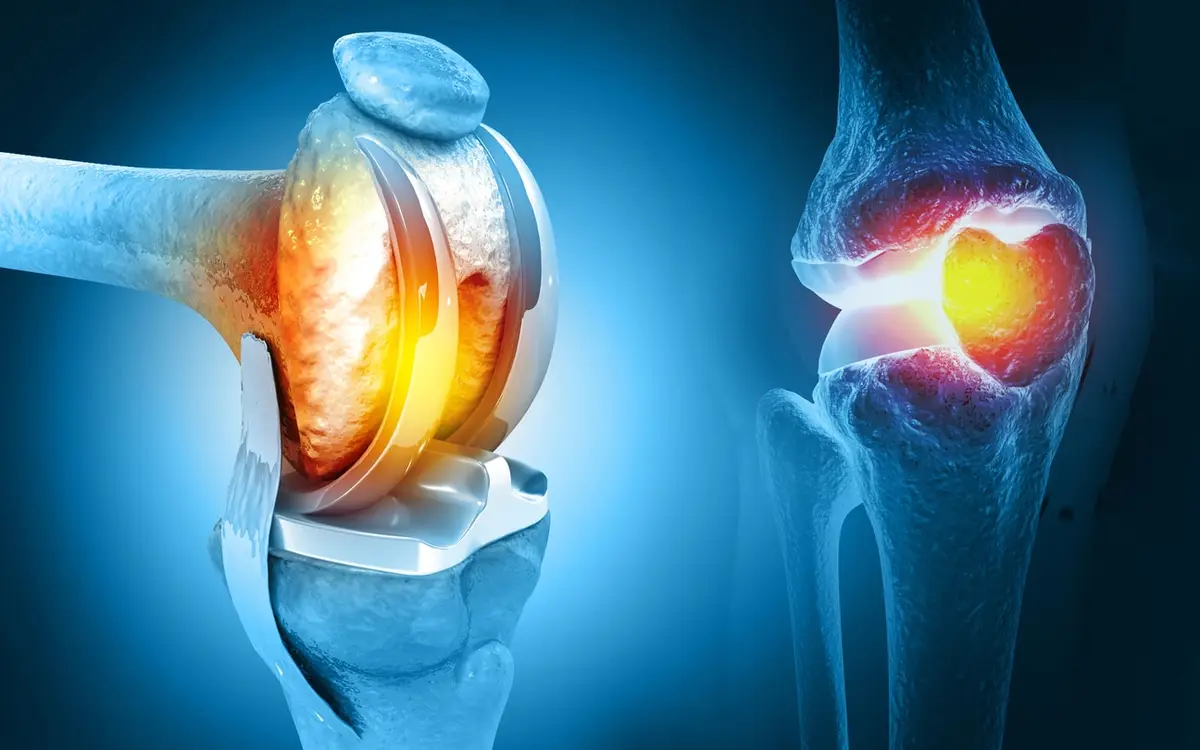
Knee replacement, also called knee arthroplasty, is a surgical treatment focusing on removing and replacing damaged parts of the knee.
The afflicted part of the knee joint is replaced by a metal or plastic part. The prosthetic is inserted between the softer central parts of the surrounding bones.
Knee pain from osteoarthritis is a common reason to undergo knee replacement surgery. This condition involves the degeneration of the connective tissue in the knee joint. An estimated 30% of the American population has knee osteoarthritis.
People who suffer from a severe knee injury from an accident or sports may also be candidates for this treatment option.
There are two different types of knee replacement surgery:
Partial Knee Replacement
When the damage to the knee is confined to one compartment, your physician may recommend you for partial knee replacement. People with medial or lateral knee osteoarthritis are often candidates for partial knee replacement.
Compared to total knee replacement, this treatment option better preserves the knee’s function and range of motion. Less blood is present during surgery. Recovery time is also quicker.
Partial knee replacement is often done on younger patients, but older patients can still be eligible for this treatment. It also has less recovery time compared to total knee replacement.
Total Knee Replacement
Total knee replacement surgery occurs when the entire knee joint is damaged and needs to be replaced. The ends of the femur (thighbone) and the tibia (shinbone) will be reshaped for the prosthetic joint.
Your physician will need to examine your knee before recommending either of the knee replacement options. They will check for your knee’s health, mobility, and stability. They will also check the extent of the knee’s damage through imaging tests,
Benefits of Knee Replacement
Debilitating knee pain can significantly influence your day-to-day routine. Knee replacement surgery can alleviate pain when non-surgical options no longer work. Patients restore and improve their mobility through knee replacement.
The treatment lasts one to two hours. It involves general anesthesia or a spinal block that numbs the lower half of your body. In most cases, it is an outpatient treatment. However, hospital stay depends on a case-by-case basis.
Recovery comprises rest and scheduled prescription drugs such as blood thinners. After some time, you will also undergo physical therapy to increase your physical activity and exercise your knee. You can do these activities at home or at a treatment facility.
Are There Risks to Knee Replacement
Like any surgical treatment, there are risks to consider before committing to knee replacement surgery. Some of these risks are:
- Nerve damage from the new prosthetic
- Infection originating from the incision site or in the deeper tissue
- Blood clots may start in the leg but spread to the rest of the body
- Incompatible prosthetic
Proper preparation and caution before, during, and after knee replacement surgery can help mitigate any risks. Talk to your healthcare provider for specialized instructions on knee replacement treatment and recovery.
When to See Your Doctor for Knee Replacement
Having an informed discussion with your physician can help you determine whether this treatment is right for you. The right prosthetic and knee replacement option is chosen based on weight, age, overall health, and other factors.
For most patients, knee replacement surgery can last as long as 15 to 20 years. Keeping up with a healthy lifestyle is essential in prolonging and maintaining the effects of your knee replacement.
Knee Replacement in Palm Beach County, FL
At Personalized Orthopedics of the Palm Beaches, we understand the debilitating impact that knee pain can have on your quality of life. That’s why we offer outpatient knee surgery using modern surgical techniques and equipment. Our skilled and experienced team of orthopedic surgeons operates in a sterile and safe environment, so our patients receive high-quality care. With personalized treatment plans tailored to fit each patient’s unique needs, we are committed to delivering successful outcomes and getting our patients back on their feet and daily activities as soon as possible.
To learn more about our services and how we can help you, call our office today or request an appointment online.
. We look forward to getting you back on your feet!
This article is for general education and is not medical advice. For advice about your condition, talk with your physician. Request an appointment with our team.