Joint replacement surgery can be an effective solution to relieve chronic joint pain, improve mobility, and restore overall quality of life when conservative treatments have been unsuccessful. Physical therapy and rehabilitation are key methods in promoting a successful recovery following a joint replacement.
Joints can become damaged as a result of wear and tear, aging, injuries, and conditions such as osteoarthritis. Osteoarthritis is a common type of arthritis that affects the protective cartilage within a joint, causing it to degenerate over time. This can lead to painful bone-on-bone rubbing, loss of function, and disability.
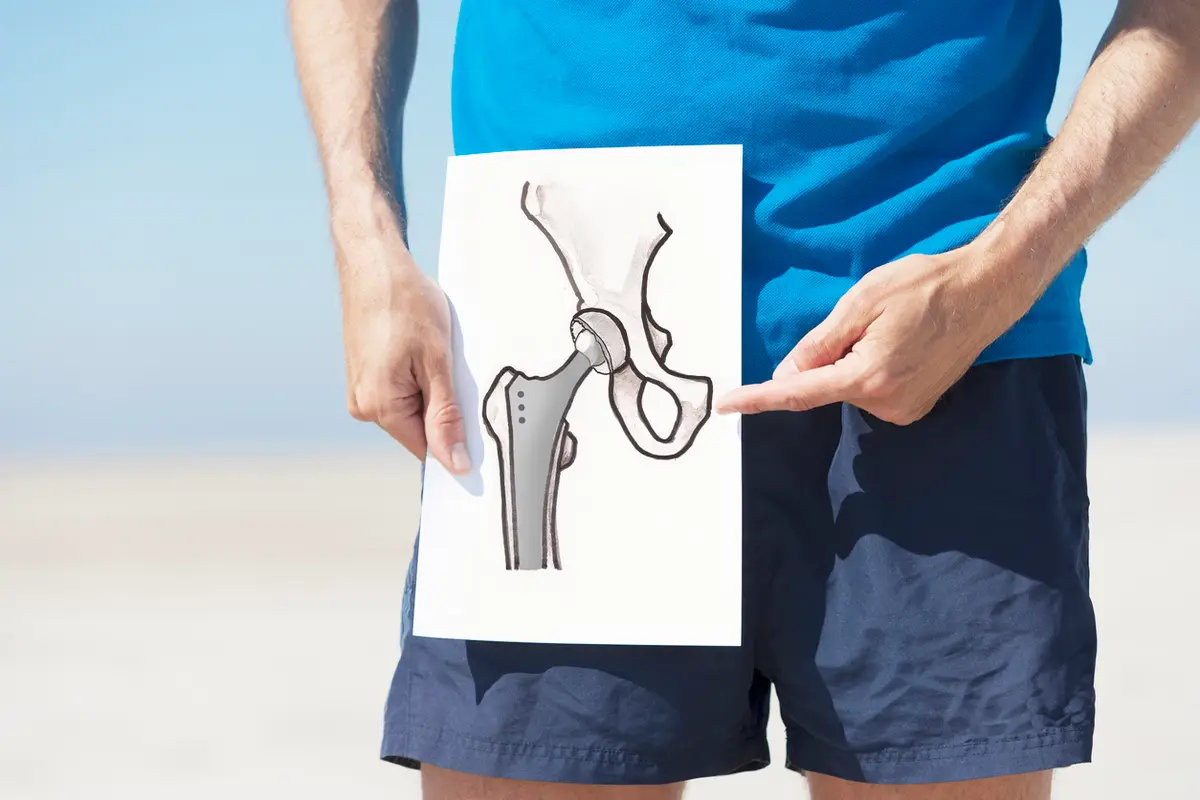
A joint replacement, also known as arthroplasty, involves removing the damaged joint and replacing it with an artificial joint, called a prosthesis. It is designed to replicate a normal, healthy joint as much as possible. A joint replacement is often recommended when nonsurgical treatments including medication, cortisone injections, PRP therapy, and physical therapy, no longer work to relieve symptoms. This type of surgery can be performed on many joints in the body, but hip, knee, and shoulder replacements are the most common.
Rehabilitation After Joint Replacement
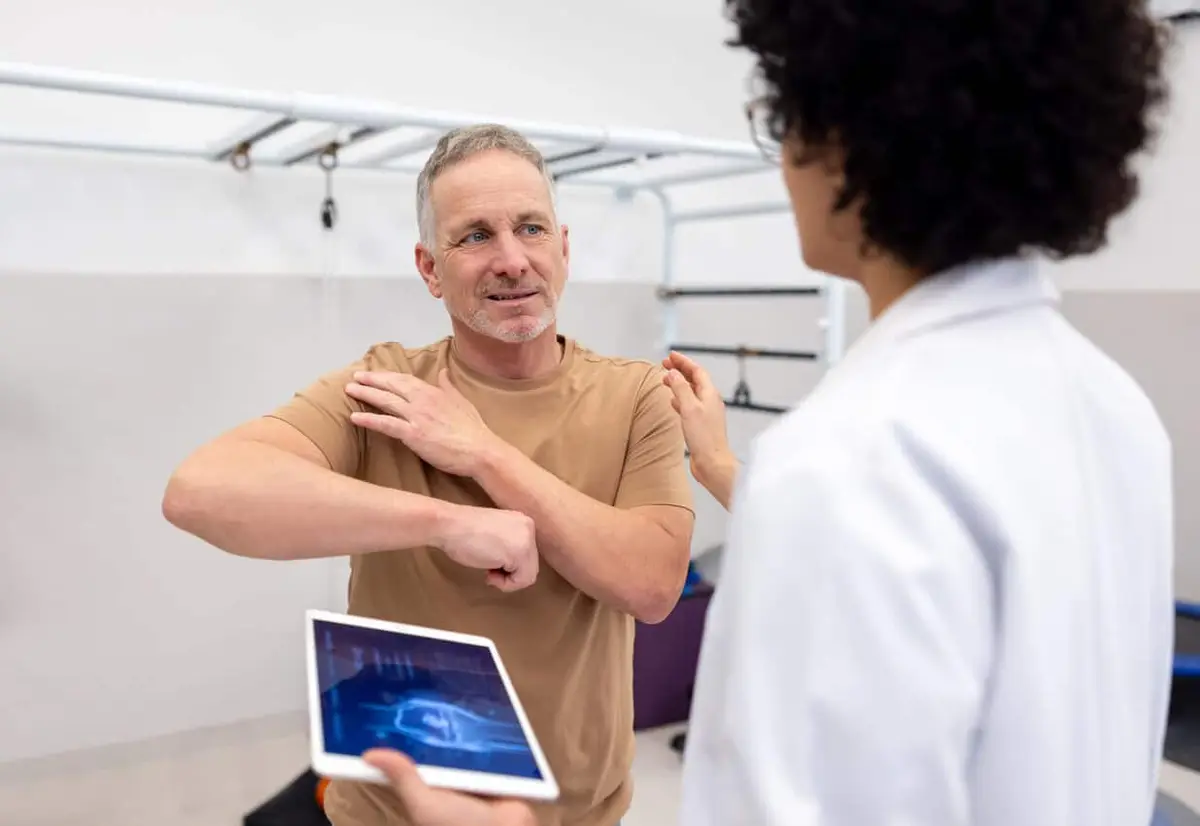
Rehabilitation after a joint replacement is the gradual process of healing and is designed to go at your pace. Physical therapy is a key part of rehabilitation and recovery following surgery. It uses a multidisciplinary approach to strengthen the muscles surrounding the new joint and improve mobility and range of motion, allowing you to get full use of the joint. It can also help to reduce post-operative pain, encourage healing, and enable you to carry out daily tasks and activities in a safe way, reducing the chance of injury.
Therapy tends to start immediately after a joint replacement and typically lasts for several weeks. Your physical therapist will work alongside your surgeon to develop a treatment plan that is tailored to your specific needs. Physical therapists deliver personalized, one-on-one care and use a variety of treatment modalities and therapeutic interventions to encourage healing, including:
Soft Tissue Rehabilitation and Joint Mobilization
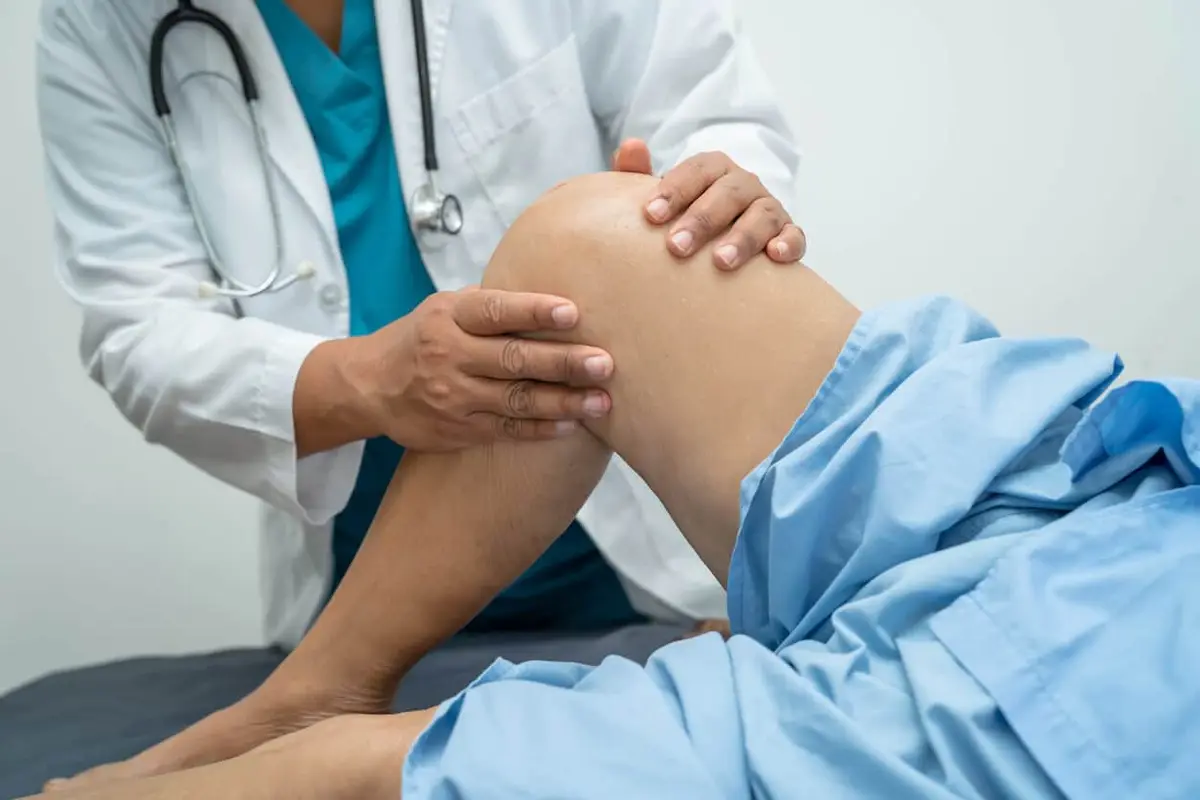
Your physical therapist may passively move the joint in certain directions in order to reduce pain and stiffness and improve circulation, mobility, and flexibility. They apply controlled levels of pressure to help improve the range of motion.
Exercise
Customized, progressive exercise programs employ a variety of exercises and equipment. They are developed to build muscle, improve coordination, and strengthen and stabilize the muscles and joints in a safe, controlled way. Exercise progresses from passive therapy to active range of motion exercises and is increased gradually over time, helping to improve endurance, flexibility, and range of motion.
Pain Relief and Healing Promotion Modalities
Treatment modalities such as ultrasound, ice/heat therapy, transcutaneous nerve stimulation (TENS), and massage may be used to provide pain relief, reduce inflammation, and increase circulation around the new joint and to damaged tissue.
Rehabilitation at Home
After a joint replacement procedure, your physical therapist can provide you with guidance and safety instructions on how to manage safely at home. This may include teaching you how to use assistive devices, such as crutches, a walker, or a cane, or equipment such as a raised toilet seat or shower chair to help reduce your limitations and perform day-to-day activities independently and safely.
You will also be instructed to do exercises at home to encourage healing and recovery and to safely build up to your physical activity level.
Recovery after a joint replacement can take time. Many of your former activities can be resumed gradually following surgery, but some activities may need to be modified or restricted for several months. With joint replacement, a majority of patients achieve good results with a dramatic reduction in pain and a significant improvement in their mobility and function, helping them experience a better quality of life.
Joint Pain Specialists in Palm Beach County, Florida
If you have joint pain, speak to the orthopedic specialists at Personalized Orthopedics of the Palm Beaches. We offer comprehensive orthopedic care and a variety of non-surgical and surgical treatments to relieve your symptoms. Our experienced team of providers is committed to providing high-quality, personalized care that allows patients like you to get back to their normal day-to-day activities as soon as possible, with less pain.
To find out more about our orthopedic services, call our office, or request an appointment using our secure online appointment request form.
This article is for general education and is not medical advice. For advice about your condition, talk with your physician. Request an appointment with our team.