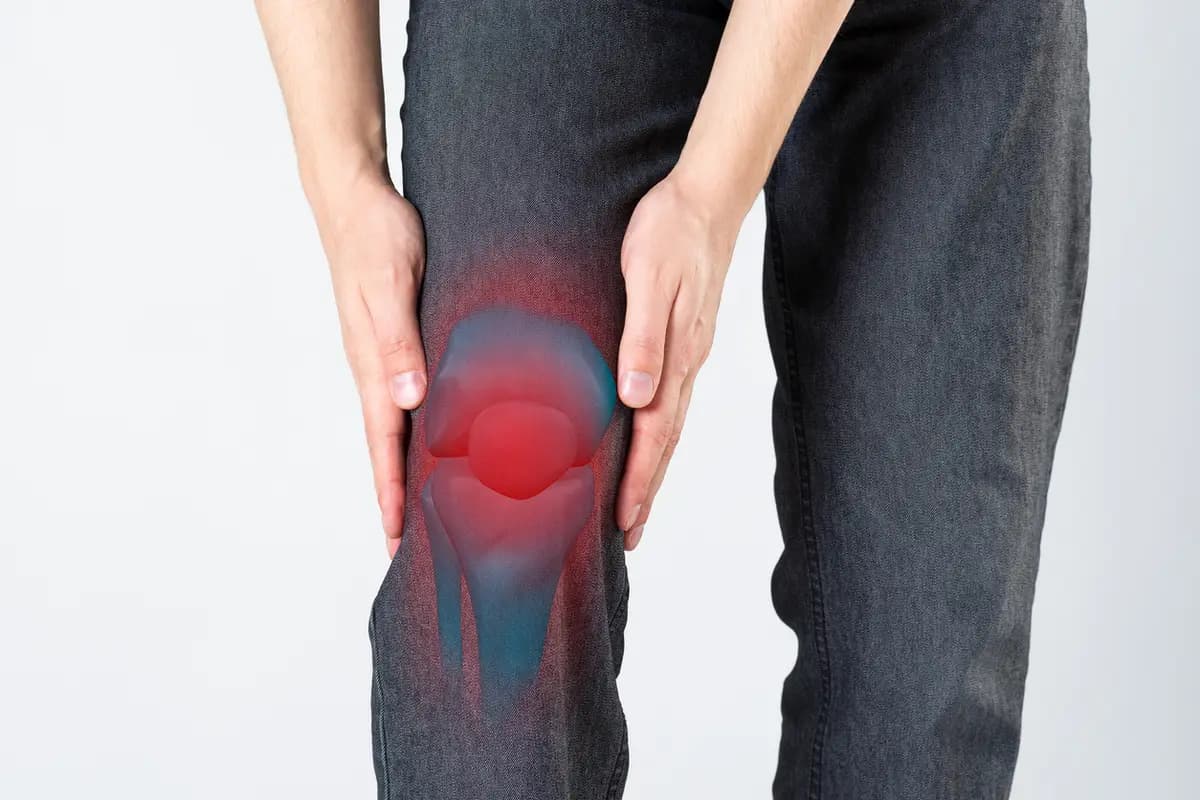
Plagued by knee pain, swelling, and stiffness? Those could be due to knee arthritis, a common complaint among millions of Americans.
Osteoarthritis and rheumatoid arthritis are the two most common culprits in knee arthritis. You need to consult an orthopedic specialist for accurate diagnosis and proper intervention to prevent the disease from affecting your quality of life.
Here’s how your orthopedic specialist diagnoses and treats knee arthritis.
Diagnosis
Your orthopedic specialist will start with checking your knee for tenderness, redness, swelling, crepitus (popping or crackling sound), and issues with range of motion. Your doctor will then proceed with ordering some tests, such as medical imaging and blood and synovial fluid analysis, to help confirm a diagnosis.
- X-rays and MRI are the common medical imaging tools used for diagnosing arthritis. They are used to track the progression and severity of the disease.
- Your doctor will not order blood test for diagnosis, but rather for ruling out other causes of your joint pain. If your doctor suspects rheumatoid arthritis, they will order blood work to see if the erythrocyte sedimentation rate (ESR, also known as sed rate) or C-reactive protein (CRP) level is elevated, either of which is indicative of the presence of an inflammatory process in your body.
- They may also perform synovial fluid analysis, in which they will draw fluid from your knee, to determine whether your symptoms are indeed of arthritis or of another condition, such as a joint infection.
Treatment
While arthritis cannot currently be reversed, your orthopedic specialist can devise a treatment plan to provide effective symptom relief and slow its progression.
Listed below are a few treatment options for knee arthritis. These are used often in conjunction with self-care measures (e.g., losing weight, minimizing activities that can exacerbate your condition, and using knee brace or cane) and standard oral anti-inflammatory medications.
Physical Therapy
Your orthopedic specialist can work with your physical therapist to develop a program specifically tailored to your individual needs and lifestyle. Your PT program will likely include range-of-motion, flexibility, and strengthening exercises, which are geared toward helping restore your mobility, overall knee function, and strengthen the muscles supporting your knee.
Platelet-rich Plasma (PRP) Therapy
PRP therapy involves obtaining a sample of your own blood and processing it in a centrifuge to separate the platelets, which are then injected into your knee. Your orthopedic specialist will anesthetize the area and use image guidance to ensure precision.
PRP has shown to be a safe and efficient treatment option for knee osteoarthritis and rheumatoid arthritis. Studies demonstrate it to be significantly better than hyaluronic acid and steroid injections. The effects of PRP are gradual, thus multiple injections are likely required to achieve the desired outcome.
Stem Cell Therapy
Stem cell therapy, like PRP therapy, is a regenerative medicine treatment modality that leverages your body’s natural healing mechanisms. The treatment involves injecting stem cells, obtained from human umbilical cord, bone marrow, or fat tissue, directly into your knee.
Studies suggest that stem cell injections, with their anti-inflammatory properties, can reduce knee pain by as much as 75 percent. Stem cell therapy is also an excellent adjuvant: it yields optimal outcomes when used in conjunction with other conservative treatment modalities like physical therapy.
Surgery
If you have an intractable case of knee arthritis, your orthopedic specialist will discuss with you the possibility of knee surgery.
There are a number of surgical options for knee arthritis. Among them are osteotomy and total knee replacement.
- Osteotomy is a procedure in which your doctor will cut and reshape either your shinbone or thighbone to relieve pressure on your knee, which may relieve your symptoms and improve your knee function.
- Partial or total knee replacement is done to remove and replace the diseased part of your knee with prosthesis to address your symptoms and also restore the function of your knee.
Knee Arthritis Treatment in Boynton Beach, FL
If you are looking for a highly effective treatment for your knee arthritis within the Boynton Beach area in Florida, visit us at Personalized Orthopedics of the Palm Beaches. We have board-certified orthopedic specialists on our team who are all committed to delivering attentive, personalized care and a positive patient experience.
To arrange a consultation, call our office, or fill out our appointment request form.
This article is for general education and is not medical advice. For advice about your condition, talk with your physician. Request an appointment with our team.