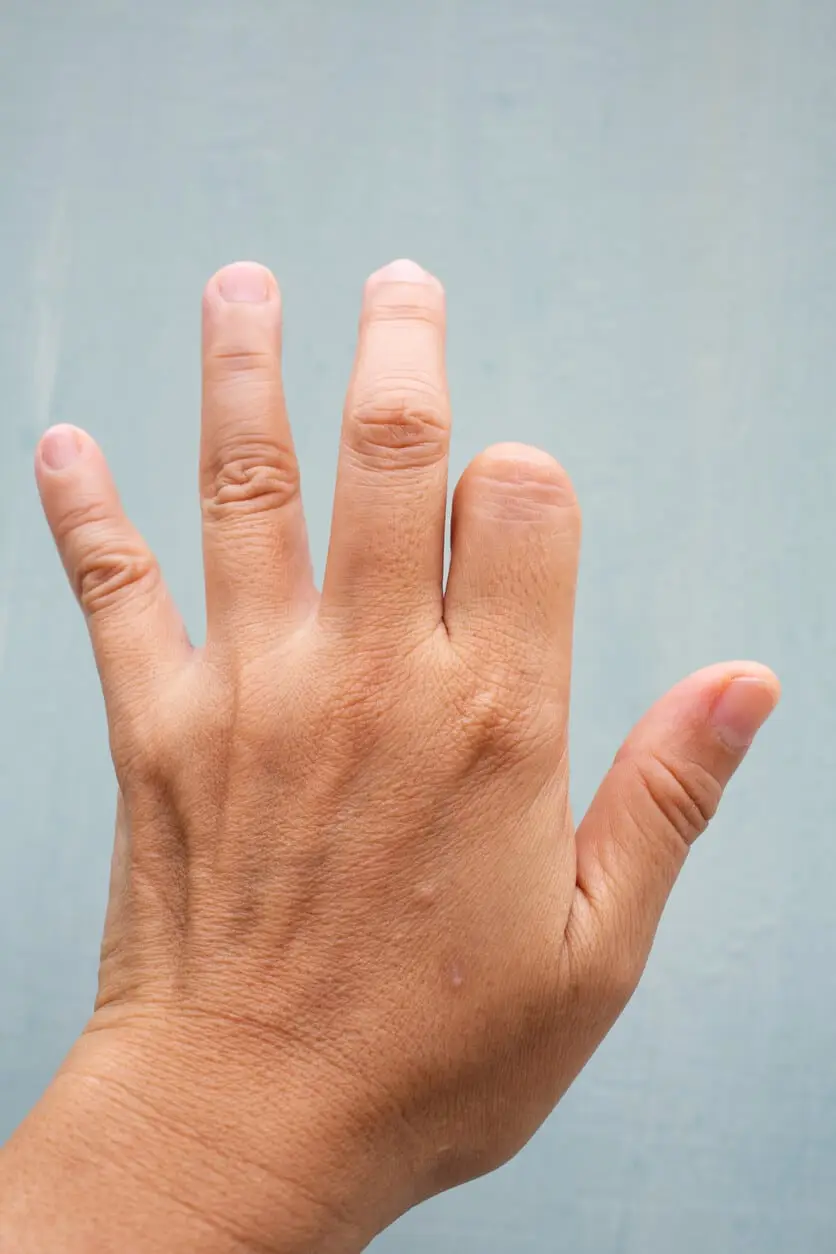
Arthritis is a common condition that causes joint pain and stiffness, affecting the daily lives of millions of people. Among the various treatment options, osteotomy emerges as a surgical procedure that might not be widely known but can offer significant pain relief for some arthritis patients.
Let’s learn more about osteotomy in straightforward terms, highlighting how it works, who might benefit from it, and its potential advantages.
What is Osteotomy?
Osteotomy is a type of surgery that involves cutting and reshaping bones to reduce pressure on the joints.
The main aim of this surgery is to fix bone deformities, which can lead to uneven stress across the joint surfaces and worsen arthritis pain.
By correcting the alignment of the bones, osteotomy helps to improve joint function and decrease pain.
How Does Osteotomy Work?
The procedure works by redistributing the forces that go through the joint.
In conditions like osteoarthritis, the protective cartilage at the ends of bones wears away, leading to painful bone-on-bone contact.
Osteotomy changes the angles of the bones so that the weight is shifted from the damaged part of the joint to a healthier area. This may help ease pain and slow further damage to the joint.
Who Might Benefit from Osteotomy?
The determination of candidacy for osteotomy involves an assessment of patient-specific factors, including:
Age and Physical Activity Levels
Younger individuals, typically under the age of 60, who lead active lifestyles stand to benefit considerably from osteotomy procedures.
This demographic often seeks to maintain or enhance their physical activity without the constraints imposed by joint pain and dysfunction.
These patients are motivated to pursue treatments that align with their active lifestyles while addressing the localized impact of arthritis.
Localized Arthritis
Osteotomy is particularly suited for patients with unicompartmental osteoarthritis, where the disease is confined to a specific part of the joint, such as the medial (inner) compartment of the knee.
This condition, referred to as medial arthrosis, is characterized by the degeneration of cartilage in one specific area, leading to uneven stress distribution and pain.
High Tibial Osteotomy (HTO) is designed to realign the knee joint, redistributing forces away from the damaged compartment, thereby reducing pain and slowing disease progression.
Ligament Integrity and Overall Health
Candidates for osteotomy should possess good ligament stability and be in generally good health.
The integrity of the knee’s ligaments ensures that any realignment achieved through surgery can be effectively maintained, a factor crucial for the long-term success of the procedure.
Furthermore, a comprehensive health assessment is essential to determine the patient’s ability to undergo surgery and engage in the subsequent rehabilitation process.
Exclusion Criteria
It is important to note that osteotomy may not be suitable for all patients with joint pain.
The following individuals may not achieve optimal outcomes from this procedure:
- Those with diffuse arthritis affecting multiple compartments of the joint
- Those with significant alignment issues that cannot be corrected with osteotomy
- Patients with advanced age and reduced physical activity levels
Additionally, patients with systemic inflammatory conditions such as rheumatoid arthritis are typically advised against undergoing osteotomy due to the generalized nature of their joint involvement.
The Procedure and Recovery
The surgery is done under general anesthesia, and the specific steps vary depending on the joint involved and the nature of the bone deformity.
The surgeon makes precise cuts in the bone, then realigns it to the correct position, sometimes using pins, screws, or plates to keep the bones in place while they heal.
Recovery from an osteotomy includes a period of rest followed by rehabilitation. Physical therapy plays a key role in recovery, focusing on rebuilding strength, flexibility, and mobility in the affected joint.
While recovery times can vary, many patients notice significant improvements within a few months after the surgery.
Benefits and Considerations
The main advantage of osteotomy is the reduction in pain, which can improve the quality of life through increased activity levels and independence.
For those looking to delay or not undergo joint replacement surgery, osteotomy offers an alternative.
However, it is important to have realistic expectations and understand that while osteotomy can provide significant relief, it may not return the joint to its original condition.
Osteotomy in Boynton Beach, FL
If you are looking for treatment for your knee arthritis in the Boynton Beach area of Florida, visit us at Personalized Orthopedics of the Palm Beaches. Our team includes board-certified orthopedic specialists who are committed to delivering attentive, personalized care.
For more information or to schedule a consultation with one of our compassionate orthopedic surgeons, call our office today or use our online appointment request form.
We look forward to serving you!
This article is for general education and is not medical advice. For advice about your condition, talk with your physician. Request an appointment with our team.