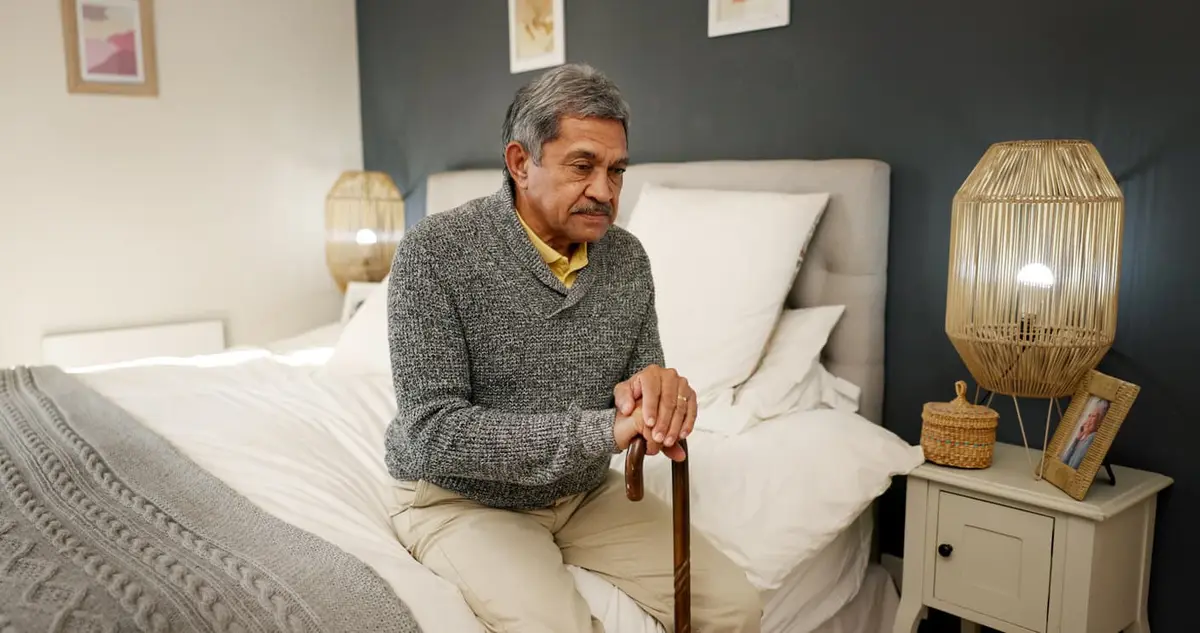
Osteoporosis is a common condition that impacts millions of people globally, especially the elderly population. It weakens bones, making them brittle and prone to fractures, which can drastically affect mobility and quality of life. Early diagnosis and specialized treatment are key to managing osteoporosis effectively.
Let us discuss osteoporosis, its causes, symptoms, and treatment options. We will also discuss essential preventive measures to maintain bone health.
What Is Osteoporosis
Osteoporosis is a bone disease that weakens bones by reducing their density, making them fragile and more prone to fractures. It is estimated that more than 50 million people are living with osteoporosis in the U.S. The condition increases the risk of fractures, primarily in the hips, spine, and wrists. Often considered a silent disease, osteoporosis can progress without symptoms until a fracture or significant pain occurs.
Causes of Osteoporosis
Osteoporosis typically develops with age, when bones lose their ability to efficiently repair and rebuild themselves. The bones, like other tissues, are constantly renewing. When the bone becomes old or damaged, it is broken down, and new bone is created. During the younger years, this process happens more quickly, resulting in strong and dense bones. However, as we age, the balance shifts and bone is lost faster than it is replaced, leading to a gradual decline in bone mass. For individuals with osteoporosis, this bone loss occurs at an accelerated rate, further weakening the skeletal structure.
Other factors can also increase your likelihood of developing osteoporosis, including genetics, hormonal changes (especially in postmenopausal women), and lifestyle choices.
Common Symptoms
While early-stage osteoporosis has no obvious symptoms, advanced stages may present with:
- Persistent back pain, often in the lower back
- Loss of height over time
- A stooped posture
- Frequent fractures from minor injuries or falls
Risk Factors
Although anyone can develop osteoporosis, there are various factors that may increase your risk of developing the disease, such as:
- Age (50 and older)
- Family history of osteoporosis
- Race (white or Asian descent)
- Those assigned female at birth (particularly post-menopause)
- Low body weight or slender frame
- Certain medical conditions, such as rheumatoid arthritis and thyroid disorders
- Some medications, like corticosteroids
- Dietary factors, such as low calcium intake
- Lifestyle factors, including smoking, excessive alcohol consumption, or a sedentary lifestyle
The Importance of Early Detection and Diagnosis
Detecting osteoporosis early is crucial for effective management and prevention of fractures. Bone Mineral Density (BMD) testing, commonly done using dual-energy x-ray absorptiometry (DEXA), is a reliable diagnostic tool. DEXA measures bone density and helps identify individuals at risk for fractures. Additional diagnostic methods, including blood tests, urine tests, and imaging studies, provide deeper insights into bone health.
BMD testing is particularly recommended for postmenopausal women aged 65 and above, women with fractures, and individuals with multiple risk factors. Early diagnosis allows timely intervention to reduce complications and improve quality of life.
Effective Treatment Options for Osteoporosis in the Elderly
Treatment for osteoporosis in elderly patients aims to slow down bone loss, strengthen existing bone tissue, and prevent bone fractures. Your provider will work with you to develop an effective treatment plan personalized to your unique needs and circumstances.
Medical Interventions: Medications and Therapies
Medical treatments for osteoporosis focus on preventing further bone loss and reducing fracture risks. Common treatments include the following medications.
- Bisphosphonates (e.g., Alendronate): Help slow down bone loss and rebuild bone density
- Selective Estrogen Receptor Modulators (SERMs) (e.g., Raloxifene): Mimic estrogen to strengthen bones and reduce breast cancer risk in postmenopausal women
- Calcitonin: Eases bone pain and slows the progression of osteoporosis
- Hormone Replacement Therapy (HRT): Recommended for postmenopausal women, keeping hormonal balance to improve bone density
Your physician will evaluate your overall health and discuss the risks and benefits of these medications before creating an ideal treatment plan tailored to your needs.
Lifestyle and Dietary Changes for Osteoporosis Management
Here are some lifestyle and dietary changes for effectively managing osteoporosis.
- Calcium and Vitamin D: Increase intake through foods like dairy products, fortified cereals, leafy greens, and supplements to support bone strength and repair
- Weight-Bearing Exercises: Activities such as walking, jogging, or yoga can improve bone density and muscle strength, reducing the risk of falls
- Smoking Cessation and Alcohol Moderation: Both smoking and excessive alcohol weaken bones; therefore, eliminating these habits is crucial for long-term bone health
Fall Prevention
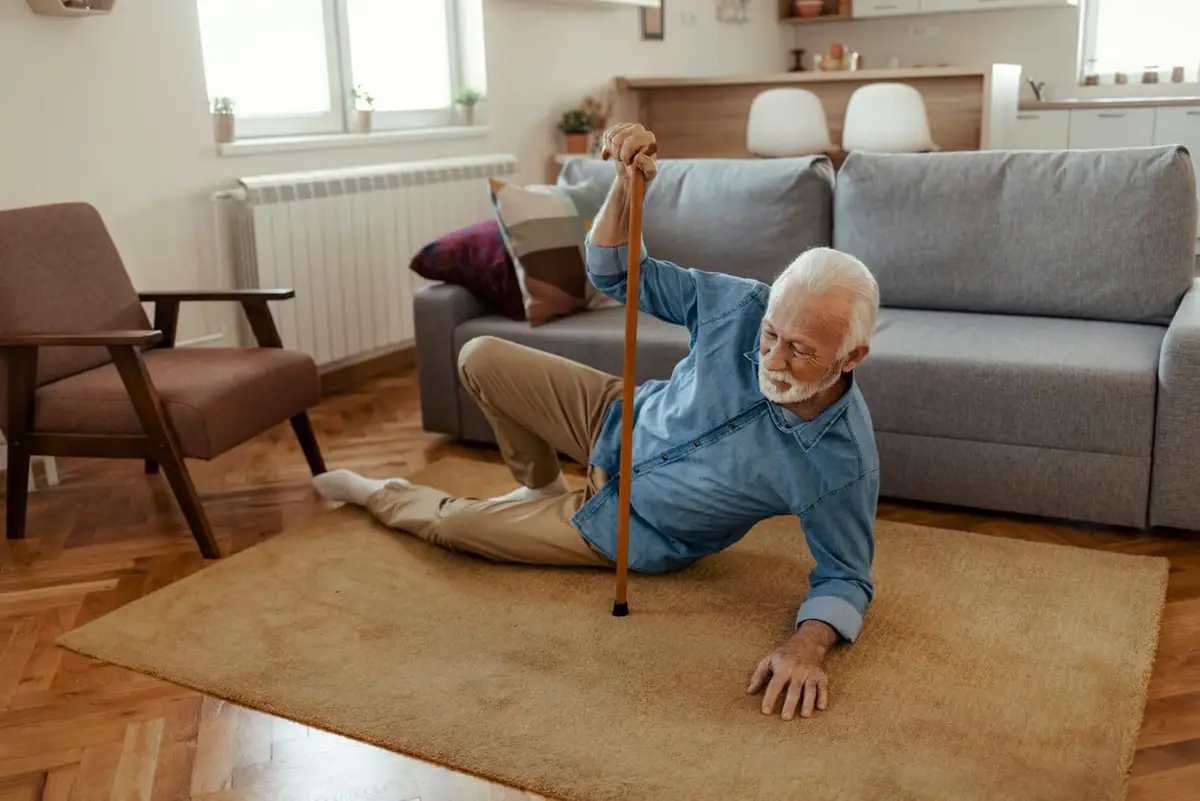
Preventing falls and reducing the risk of broken bones is critical for individuals with osteoporosis. This is especially important for older adults, who face a higher risk of falls and related injuries. Your provider can work with you to identify potential hazards in your environment and take steps to eliminate or minimize your risk of falls.
Simple but effective steps include removing home hazards (like loose rugs and floor clutter), using assistive devices (canes or walkers), and wearing supportive footwear. Aim to ensure safe, well-lit spaces for mobility.
Preventive Measures and Healthy Habits for Bone Health
Prevention is the key to reducing osteoporosis-related complications. Adopt the following practices for long-lasting bone health.
- Engage in regular physical activity tailored to your abilities.
- Maintain a balanced diet rich in calcium, vitamin D, and protein.
- Schedule routine health checkups and consider BMD testing if at risk.
- Avoid smoking and excessive alcohol consumption.
- Ensure medication compliance if you are undergoing treatment for osteoporosis.
These preventive measures empower individuals and their caregivers to actively care for their bones and minimize long-term complications.
Empowered Living Starts with Knowledge
Osteoporosis is a common but manageable condition. With early detection, effective treatment strategies, and preventive practices, elderly individuals can enjoy healthier, more active lives.
Treatment for Osteoporosis in the Elderly in Boynton Beach, FL
At Personalized Orthopedics of the Palm Beaches, we provide modern osteoporosis care in Palm Beach County, Florida. Since 2007, our team of board-certified orthopedic specialists, physical therapists, and spine experts has delivered individualized treatments for osteoporosis and other musculoskeletal conditions.
Our on-site services include comprehensive evaluation, diagnosis, and expert treatment provided by our orthopedic and spine specialists. Using advanced diagnostic tools, we aim for accurate detection of osteoporosis for effective care. Our comprehensive treatment plans include tailored medical interventions, rehabilitation, and fall prevention strategies. Whether you need expert consultation or long-term care, our team is dedicated to improving your bone health and overall well-being.
For more information or to schedule a consultation with one of our providers, call our office today, or fill out our appointment request form.
We look forward to serving you!
This article is for general education and is not medical advice. For advice about your condition, talk with your physician. Request an appointment with our team.