If you’ve ever hurt yourself while playing sports or experienced muscle and joint pain in your legs, shoulders, and knees, then you’ve probably seen an orthopedic doctor. Musculoskeletal conditions can affect a person at any age, if not due to an accident or sports injury while you’re young, you’re bound to be referred to an orthopedist when you’re older and are prone to wear-and-tear injuries.
The mission of orthopedic surgeons is to prevent, diagnose, and treat musculoskeletal disorders. In order to do this, they must first complete medical school, a residency, and then a fellowship specializing in orthopedics. In addition, in order to receive and maintain board-certification, orthopedic surgeons must engage in continuing education in their field. This way, they will be knowledgeable and proficient in the latest techniques and technologies used to help heal their patients, and also to help patients know how to prevent further injury.
Some orthopedic surgeons are general surgeons, and some have specializations. For instance, orthopedic surgeons may specialize in conditions of the spine, the hip and knee, the foot and ankle, or the shoulder and elbow. Some may specialize in sports medicine and sports injuries, and they may indeed be an official team doctor in a college or professional sports league.
What Surgeries Do Orthopedists Perform?
You may think that the term “surgeon” implies that these doctors perform surgeries exclusively, but orthopedic surgeons typically explore more conservative treatment methods first before recommending surgery. Treatment may start with medication and physical rehabilitation; if the pain or disability persists with no sign of progress, only then do orthopedic surgeons recommend surgical options.
Here are some examples of conditions that can be repaired via orthopedic surgery and treatment:
- Sports injuries
- Spine and nerve disorders
- Ruptured discs
- Bone tumors
- Osteoarthritis
- Rheumatoid arthritis
- Osteoporosis
- Trauma
- Bone fractures
- Foot and ankle injuries
- Hip and knee injuries
- Shoulder and elbow injuries
- Wrist and hand injuries
How an Orthopedist Evaluates a Patient
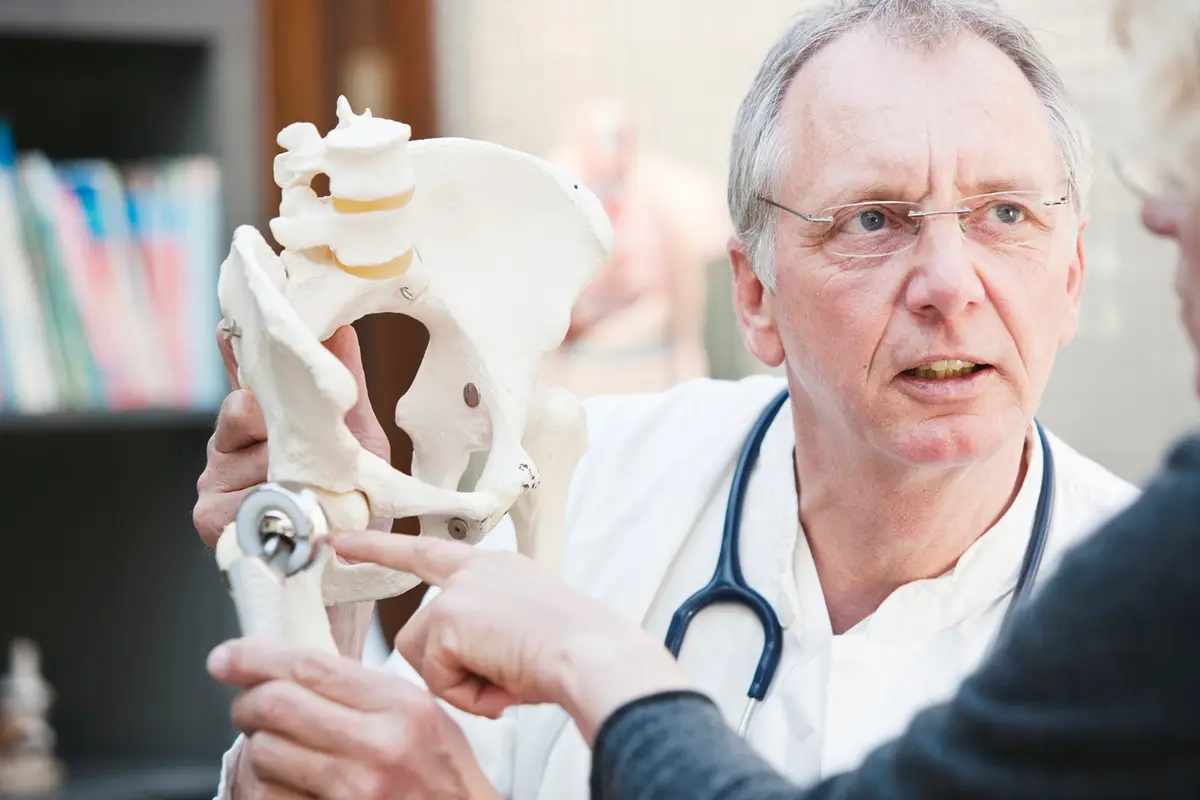
The orthopedic surgeon first meets with the patient and listens to what’s ailing them. Next, the physician will perform a physical examination and an overall medical evaluation.
Orthopedic surgeons almost always order diagnostic tests. They frequently order image-guided invasive tests, because musculoskeletal conditions often necessitate a view inside the body to see what’s causing the symptoms.
Then, depending on the diagnosis, the doctor will create a treatment plan that may include medication, steroid injections, and physical therapy. It is part of the responsibilities of an orthopedic surgeon to perform corrective surgery if needed.
An orthopedic doctor is trained and experienced in minimally invasive surgery and traditional open surgery, depending on what the patient’s condition requires for treatment. The surgeon will also arrange for postoperative care for an optimal surgical outcome.
Board-Certified Orthopedic Surgeon in Palm Beach
If you are experiencing pain or any kind of disability in your hips, knees, shoulders, or anywhere else in your muscles and joints, our skilled medical team here at Personalized Orthopedics of the Palm Beaches is here for you.
If you have any questions or would like to schedule a consultation with one of our orthopedic specialists, call our office today, or fill out our appointment request form online. Let us help you get moving again so you can get back to the active lifestyle you enjoy!
This article is for general education and is not medical advice. For advice about your condition, talk with your physician. Request an appointment with our team.