Do you love to stay active, play sports, or exercise regularly? Then, you know how important it is to keep your body healthy. However, injuries can happen when you least expect them, and they can stop you from doing what you love.
Let us discuss some common sports injuries and how an orthopedic surgeon can address them.
Common Sports Injuries
Here are the most common injuries that active people may sustain while exercising or doing sports:
Sprains and Strains
Sprains happen when you twist or stretch a ligament too much. Strains occur when you pull or stretch a muscle or tendon. Both can be painful and limit your movement.
Fractures
A fracture is a broken bone. It can happen from a fall, a hard hit, or overuse. Some fractures may require a cast or surgery to heal properly.
Dislocations
A dislocation occurs when a bone comes out of its normal position. This can cause swelling, pain, and a visible deformity.
Tendonitis
Tendonitis is inflammation of a tendon, usually caused by overuse. It can result in pain and swelling around the affected area.
Treatments Your Orthopedic Surgeon May Recommend
Now, let us look at different treatment strategies your orthopedic surgeon may recommend:
1. Rest and Ice
For minor injuries like sprains and strains, the R.I.C.E. method, Rest, Ice, Compression, and Elevation, is adequate.
- Rest means avoiding activities that cause pain or could worsen the injury.
- Ice helps lessen swelling and numb pain; apply it for 20 minutes at a time, several times a day.
- Compression using a medical bandage can lessen swelling.
- Elevating the injured area just above the heart level reduces fluid accumulation and may help speed up healing.
2. Physical Therapy
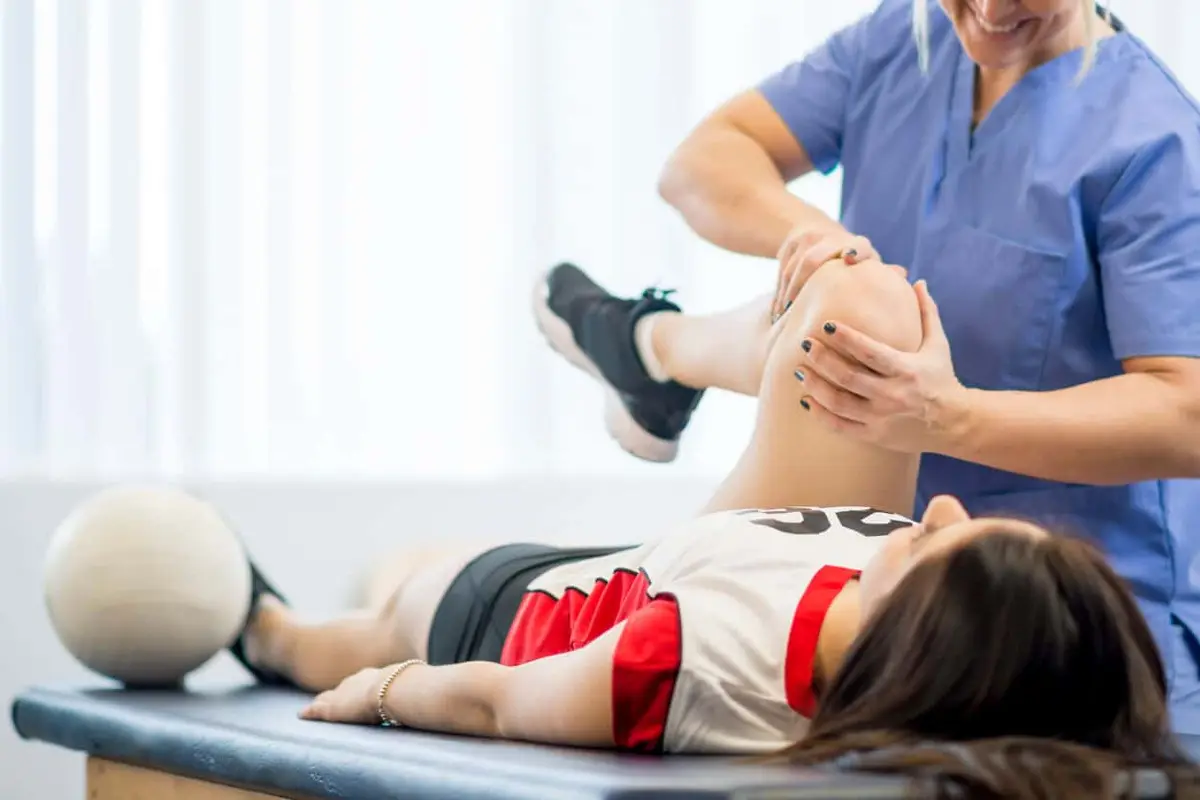
Physical therapy is a key part of recovering from many sports injuries. An orthopedic surgeon can create a personalized exercise plan. This plan will help you regain strength, flexibility, and function. They may use techniques like massage, stretching, and strength training.
Regular physical therapy sessions can:
- Speed up your recovery
- Prevent future injuries
- Help you safely get back to your usual routine
It is important to follow your provider’s instructions and do any recommended exercises at home.
3. Medications
Over-the-counter pain relievers can aid in managing pain and easing inflammation. Sometimes, your orthopedic surgeon may prescribe stronger medications. This is usually the case if the pain is severe. Anti-inflammatory medications can be particularly helpful for conditions like tendinitis.
Always follow the dosage instructions. Also, talk to your orthopedic surgeon if you have any concerns or if the pain persists.
4. Bracing or Casting
Braces or casts are used to stabilize and protect injured areas, allowing them to heal properly. An orthopedic surgeon may use a brace for sprains, strains, and fractures. A brace provides support and reduces movement.
Meanwhile, casts are typically used for more serious fractures. They completely immobilize the injured bone. Wearing a brace or cast as directed by your doctor is crucial for ensuring a good recovery. Skipping this step can lead to improper healing and further complications.
5. Surgery
In severe cases, surgery may be necessary to repair damaged tissues, bones, or joints.
Surgical options can include:
- Fixing broken bones with screws and plates
- Repairing torn ligaments or tendons
- Reconstructing damaged joints
Your orthopedic surgeon usually considers surgery when other treatments have not worked or when the injury is severe.
Prevention Tips
Your orthopedic surgeon may also suggest effective tips for injury prevention:
Warm-Up and Stretch
Always warm up before starting any physical activity. Doing so helps lubricate your joints and prepare your muscles for the intensity of the exercise. Start with light activities like jogging or jumping jacks for about 10 minutes.
After warming up, stretch all major muscle groups. Make sure you hold each stretch for at least 15-30 seconds. Stretching helps improve flexibility and range of motion, which can prevent injuries.
Use Proper Equipment
Using the right equipment is essential for preventing injuries. Depending on your sport, you can wear gear like knee pads or helmets. They are especially useful when playing contact sports or engaging in activities like biking or skating.
Make sure these things fit you properly. For instance, using well-fitted shoes with adequate support can avoid ankle sprains and foot injuries. Ensure that you routinely inspect your equipment for signs of wear and tear, replacing damaged items promptly.
Listen to Your Body
Pay attention to your body’s signals. If you feel pain, discomfort, or unusual fatigue, take a break. Overworking yourself can lead to injuries. Resting allows your body to recover. You also want to aim for great sleep quality and observe your diet and hydration.
These habits support overall health and help your body handle the demands of physical activity.
Compassionate Orthopedic Surgeons in Boynton Beach, FL
At Personalized Orthopedics of the Palm Beaches, we have board-certified and fellowship-trained orthopedic doctors with expertise in diagnosing and treating orthopedic injuries and conditions of the hip, knee, shoulder, neck, back, and hands. At our orthopedic center, you can also benefit from the expertise of orthopedic surgeons, spine specialists, and physical therapists under one roof.
For information about our services or to schedule a consultation, call our office today or use our appointment request form.
Let us help you stay injury-free and able to enjoy your favorite sports. We look forward to serving you!
This article is for general education and is not medical advice. For advice about your condition, talk with your physician. Request an appointment with our team.