Hip replacements are becoming increasingly popular and with advances in joint replacement surgery, it now means these procedures are carried out with a much lower risk of complications and a quicker recovery. This allows you to return to your day-to-day activities much sooner than previously possible. Your surgeon will work with you to promote a successful recovery, but there are also things you can do independently to ensure your recovery is as successful as possible.
Hip Replacements
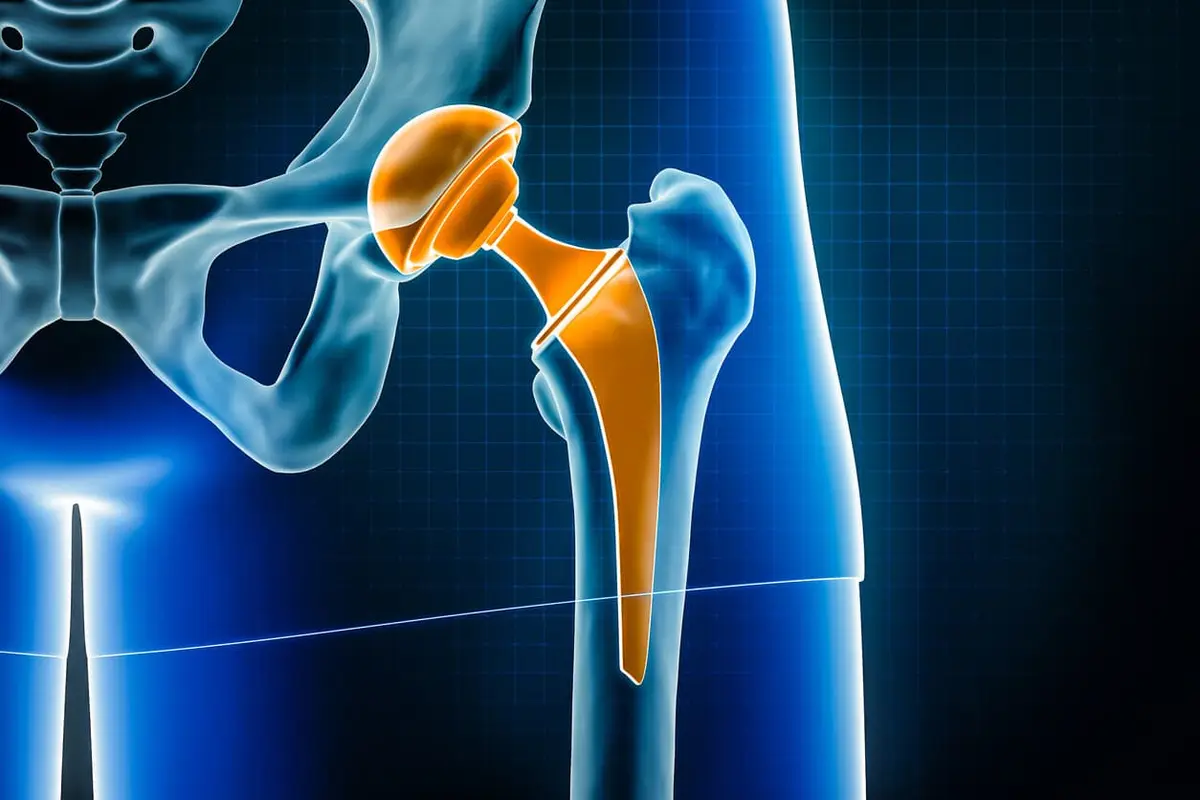
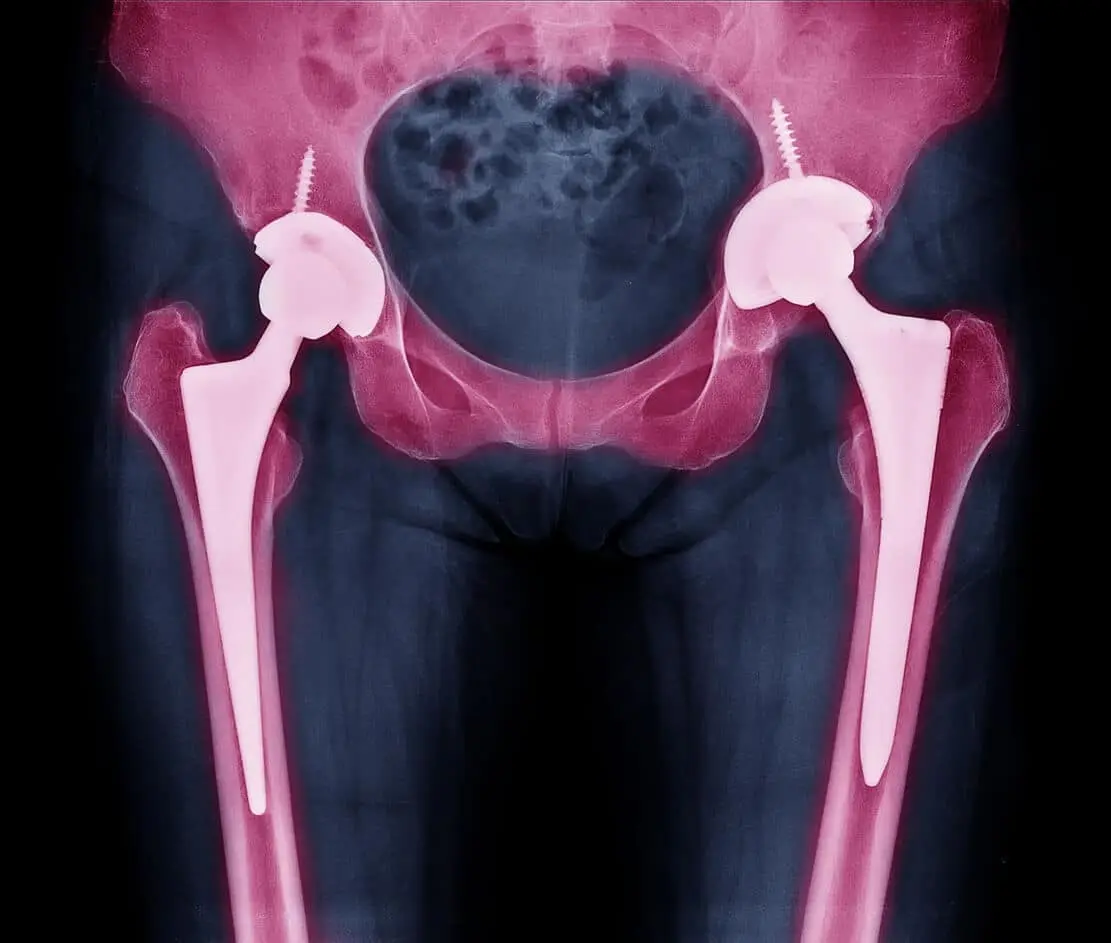
The hip joint can be vulnerable to age-related wear and tear, overuse, injuries, and conditions such as osteoarthritis. Damage to the joint can lead to mobility issues and significant pain even while resting. Hip replacement surgery may be necessary when non-surgical treatments no longer provide relief and for severe joint damage. Hip replacement surgery involves replacing all or part of the damaged joint with prosthetic (artificial) components in order to relieve pain, improve mobility, and restore function of the hip.
Hip replacements are carried out by highly skilled orthopedic surgeons who use advanced methods and equipment to promote a successful recovery. Complete healing can take 3-4 months, and the success of your surgery will depend partly on how well you follow your post-operative instructions. Your surgeon will offer expert advice throughout all stages of your recovery to ensure you recover as quickly and as safely as possible.
How To Improve Your Recovery
Give Up Smoking
Smoking not only increases your risk of complications during surgery, it can also interfere with the immune system and delay healing. Smoking reduces the body’s ability to deliver necessary nutrients to promote healing following surgery. It can also increase the risk of infection and prolong the healing of wounds.
Ensure You’re at A Healthy Weight
Carrying excess weight can increase the amount of stress on your hip joint. It can also put stress on a new hip prosthesis and increase the risk of complications. Maintaining a healthy weight before and after surgery can help to prolong the lifespan of your hip prosthesis and ensure you have a successful recovery.
Do Your Rehabilitation Exercises
Rehabilitation and exercise are key to a successful recovery. Physical therapy is recommended for several weeks following surgery and often begins the day after the procedure. The aim of physical therapy is to improve blood flow to the area to encourage healing and strengthen the muscles surrounding the new joint. Certain exercises are recommended following surgery to prevent complications such as blood clots. These can include regularly squeezing the thigh and calf muscles, leg motion exercises, and walking.
A physical therapist will also help you with walking, getting in and out of sitting and laying positions safely, using a walking aid, and going up and down stairs. They will teach you gentle exercises to strengthen your hip and improve flexibility. Your therapist will discuss which activities are safe for you to do and will create a personalized exercise program to follow at home in order to recover successfully and reduce the chance of injury.
Prepare Your Home in Advance
It takes time to recover from a hip replacement, and initially, some normal movements and tasks at home should be avoided. It is highly beneficial to prepare your home in advance prior to surgery. This includes moving things off the floor to leave clear walkways around your home, putting items you use regularly in reach to save you from bending down, and making meals in advance to save you from standing for long periods of time.
An occupational therapist can help you learn how to carry out everyday tasks such as dressing and bathing, and can give you guidance on how to manage safely in your home. They may recommend equipment to help you, such as a raised toilet seat, shower chair, reaching devices, and more.
Ask for Help
If you live alone, it can be beneficial to make plans with family, friends, or caregivers to help you with certain tasks, such as driving to appointments, cooking, bathing, and running errands. Doing too much too soon can delay healing. Putting too much stress on the artificial joint can lead to complications such as loosening and premature wearing down.
Hip Replacement Surgery in Palm Beach County, Florida
If you have persistent hip pain and would like to find out if you are a candidate for hip replacement surgery, contact Personalized Orthopedics of the Palm Beaches. Our team of board-certified surgeons are experts at performing a range of cutting-edge non-surgical and surgical treatments for hip pain and other orthopedic conditions.
To find out more about our services, call our office today, or request an appointment using our secure online appointment request form.
This article is for general education and is not medical advice. For advice about your condition, talk with your physician. Request an appointment with our team.