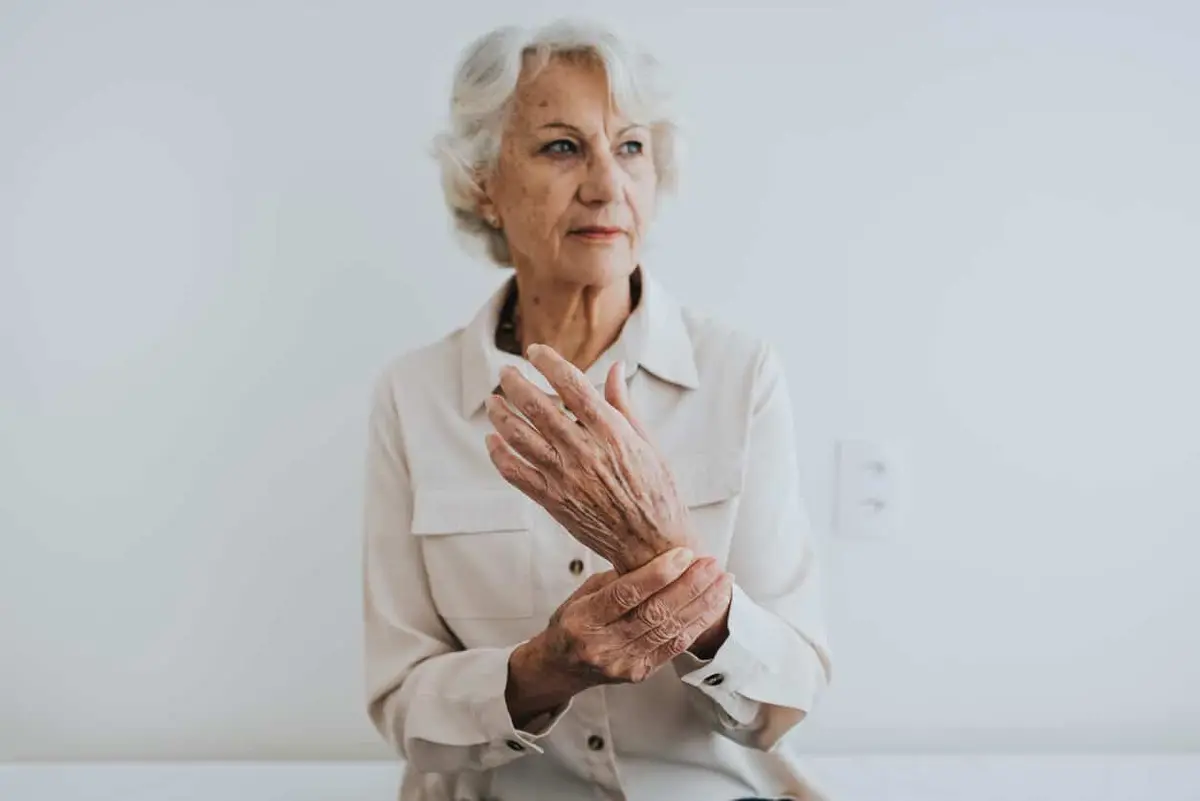
Tendons are strong connective tissues connecting muscle to bone. These connective tissues are responsible for the mobility of your limbs. They also help the muscles by absorbing the impact caused by running, jumping, and other movements. Tearing or overstretching a tendon could lead to tendonitis and may take a long time to heal.
What Is Tendonitis?
Tendonitis occurs when the tendons become inflamed due to repetitive activity, overuse, or aging. It typically affects larger joints, like the shoulder, but can also affect small joints, like fingers. Tendonitis isn’t a rare injury and happens often in athletes. Here are some of the more common types:
- Patellar tendonitis occurs when the tendon connecting the patella (kneecap) to the tibia (shinbone) is injured.
- Rotator cuff tendonitis affects your shoulders. This condition typically occurs due to repetitive activities or injury.
- Tennis elbow (lateral epicondylitis) happens when the tendons in your elbow get microscopic tears due to the overuse of the forearms.
What Are The Treatments For Tendonitis?
A trained specialist will recommend a treatment plan specific to your condition, so it’s important to consult your doctor. However, it always helps to know your options.
Home Interventions
Some conditions only need household interventions that you can do without the assistance of a healthcare professional. These interventions include:
- RICE , rest, ice, compression, and elevation, typically accompanied by non-strenuous exercises to relieve pain.
- Medication, Pain relievers such as naproxen and ibuprofen may be prescribed by your doctor. Topical creams are another option with the added benefit of lacking the side effects caused by oral medication.
Injected Medication
The pain caused by tendonitis is typically a result of inflammation. As such, your doctor may recommend corticosteroid injections. Corticosteroids are potent anti-inflammatory drugs, by reducing inflammation, they also help relieve pain.
However, corticosteroids are only used for acute injuries. Using corticosteroids repeatedly if you have chronic tendonitis may be risky and could cause your tendon to degrade further.
Platelet-Rich Plasma (PRP) Therapy
PRP therapy is a minimally invasive treatment method. To begin PRP therapy, your doctor will extract some of your blood and place it in a centrifuge, which will separate the plasma in your blood from the rest of the blood components. This plasma contains a high concentration of platelets, the blood cells responsible for repairing your body when it is injured.
PRP therapy involves the injection of this plasma into the affected body part. The concentrated platelets may help promote healing of the injured tendon.
Stem Cell Therapy
Most of the cells in your body perform a specific function, muscle cells help you move, skin cells form your skin, and platelets help you heal. Stem cells have no specialty and can change into any cell your body needs. This quality lets them assist in the regeneration and growth of new tissue.
Stem cells occur naturally in your bone marrow and fat deposits in your body. Your doctor will carefully extract stem cells and create a concentrated solution from them. After that, they’ll inject the solution into the problem area.
Physical Therapy
Physical therapy aims to enhance your strength and flexibility while also improving circulation. Rehabilitative exercises on the affected tendon can help reduce the pain. Studies show that activities that focus on muscle contraction while the muscle is lengthening have positive effects in treating chronic tendon conditions.
Surgery
You may need surgery depending on the severity of your tendonitis. With the help of an orthopedic surgeon, you may need surgery after a careful review of your condition. The exact procedure that your doctor will perform will vary depending on the nature of your tendonitis.
For example, your doctor may recommend a surgical repair if your tendon is torn. A surgeon will sew the ends of your tendons back together and check the nearby tissues for damage. After the procedure, your surgeon will splint the limb to immobilize it and allow for proper healing. Other procedures may involve removing or repairing sections of tissue.
Tendonitis Treatment in Boynton Beach, Florida
Tendonitis is a painful condition typically caused by overuse, repetitive movements, or injury. It usually occurs in your knee, shoulder, or hip. Tendonitis treatment is usually nonsurgical and some treatments can even be performed at home.
The sooner you get treatment, the sooner you can go back to living your life to the fullest. Here at Personalized Orthopedics of the Palm Beaches, we have been providing quality patient care since 2007. Our board-certified healthcare professionals can help with a wide range of orthopedic concerns.
If you have any questions about our orthopedic services, call our office. You can also schedule a consultation by securing an appointment through our online request form. We look forward to serving you!
This article is for general education and is not medical advice. For advice about your condition, talk with your physician. Request an appointment with our team.