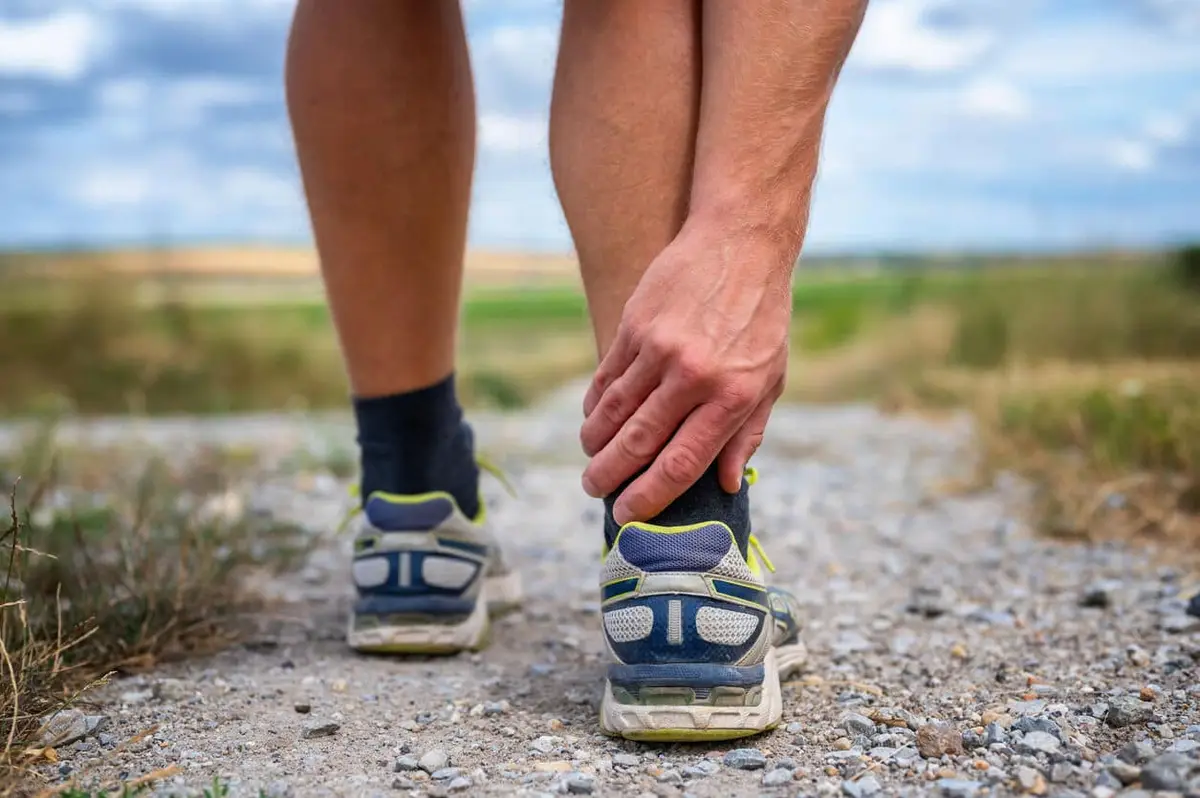
The Achilles tendon plays a vital role in our ability to walk, run, or jump. When this powerful tendon tears, it can be debilitating. Achilles tendon injuries are more common among athletes, but they can affect anyone. The good news is that recovery is possible, and many patients do well with expert treatment and proper care.
Let us explore the causes, symptoms, and expert treatments for a tear in the Achilles tendon.
Understanding the Achilles Tendon and Its Role
The Achilles tendon is the thick band of fibrous tissue that connects the calf muscles to the heel bone. It is the largest and strongest tendon in the human body and plays a critical role in pushing the foot downward during activities like walking, running, or jumping.
However, its power also makes it vulnerable to injury under the wrong circumstances. A sudden movement, such as a forceful jump or misstep, can lead to a partial or complete rupture of the tendon. Overuse or chronic inflammation, known as Achilles tendonitis, may also weaken the tendon over time, increasing the risk of tears.
Who Is at Risk
Achilles tendon tears are most common in men aged 30-40 who engage in high-intensity or stop-and-go sports like basketball, tennis, or soccer. However, anyone with overuse injuries, decreased flexibility, or weakened tendons due to aging or chronic conditions can experience this injury.
Recognizing the Symptoms of an Achilles Tendon Tear
If the Achilles tendon tears, individuals typically experience one or more of the following symptoms:
- A sudden “pop” or snapping sensation in the lower leg or back of the ankle
- Intense, sharp pain at the back of the ankle (near the heel) or calf
- Swelling, bruising, and tenderness in the affected area
- Difficulty pointing toes downward or standing on the toes
- Trouble walking, jumping, or climbing stairs
If you notice these symptoms, seeking medical attention from an orthopedic expert or sports injury doctor is crucial for an accurate diagnosis and prompt treatment.
Diagnosis of Achilles Tendon Tears
After evaluating your symptoms and medical history, a physician performs a physical examination. Diagnostic imaging tools such as X-rays, MRIs, or ultrasounds may also be recommended. These tests can confirm the extent of the injury and rule out other causes of pain, such as fractures or muscle tears.
Treatment for Tear in Achilles Tendon
Treatment depends on the severity of the tear, the patient’s age, lifestyle, and activity level. Treatment for strained Achilles tendon typically involves non-surgical options, but for severe or complex tears, surgery may be recommended.
Non-surgical Treatment
For less active individuals or those for whom surgery poses additional risks, non-surgical approaches are often effective.
- Immobilization: The leg is placed in a cast or boot for about six weeks to allow the tendon to heal.
- Physical Therapy: After immobilization, patients undergo rehabilitation to improve flexibility, strength, and balance. Therapy may also include endurance-building and coordination exercises.
While this option avoids surgical risks and complications, such as infection, it requires a longer recovery period and carries a slightly higher risk of re-rupture.
Surgical Treatment
For active individuals who wish to return to sports or physically demanding activities, surgery is typically recommended. The procedure involves attaching the torn ends of the tendon back together.
- Surgical Procedure: Under anesthesia, the surgeon makes a small incision behind the ankle to access and repair the tendon.
- Post-Surgery Care: After surgery, the foot is immobilized in a cast or splint for four to six weeks. Patients then participate in physical therapy to regain strength and mobility.
Surgical treatment has a lower risk of re-rupture and often results in faster recovery, with better restoration of strength and function.
Achilles Tendon Rupture Recovery Time
Recovery time varies depending on the treatment method and individual healing. Here is a general timeline to consider.
- Non-surgical recovery may take longer, with patients often participating in extended rehabilitation to restore strength and prevent re-injury.
- Surgical recovery typically allows individuals to resume light activities, like walking, within six weeks and more strenuous activities, like sports, within approximately six months.
Patients who follow their treatment and physical therapy plans carefully often regain full mobility and strength.
Sports Injury Doctor in Palm Beach County, FL
If you have a suspected Achilles tendon tear injury, schedule a consultation with the experienced team at Personalized Orthopedics of the Palm Beaches today to discuss your options.
When it comes to expert care for Achilles tendon injuries, Personalized Orthopedics of the Palm Beaches is a trusted provider of orthopedic care in Palm Beach County. Our practice provides:
- Access to board-certified and fellowship-trained orthopedic specialists
- Comprehensive care, including accurate diagnosis, expert surgical intervention, and tailored physical therapy
- Modern technology for minimally invasive procedures, designed to support recovery and reduce downtime
From diagnosis to rehabilitation, our board-certified and fellowship-trained orthopedic experts are here to help you every step of the way. We specialize in creating individualized care plans to help you get good results.
For more information or to schedule a consultation, call our office today or use our secure appointment request form. We look forward to serving you!
This article is for general education and is not medical advice. For advice about your condition, talk with your physician. Request an appointment with our team.