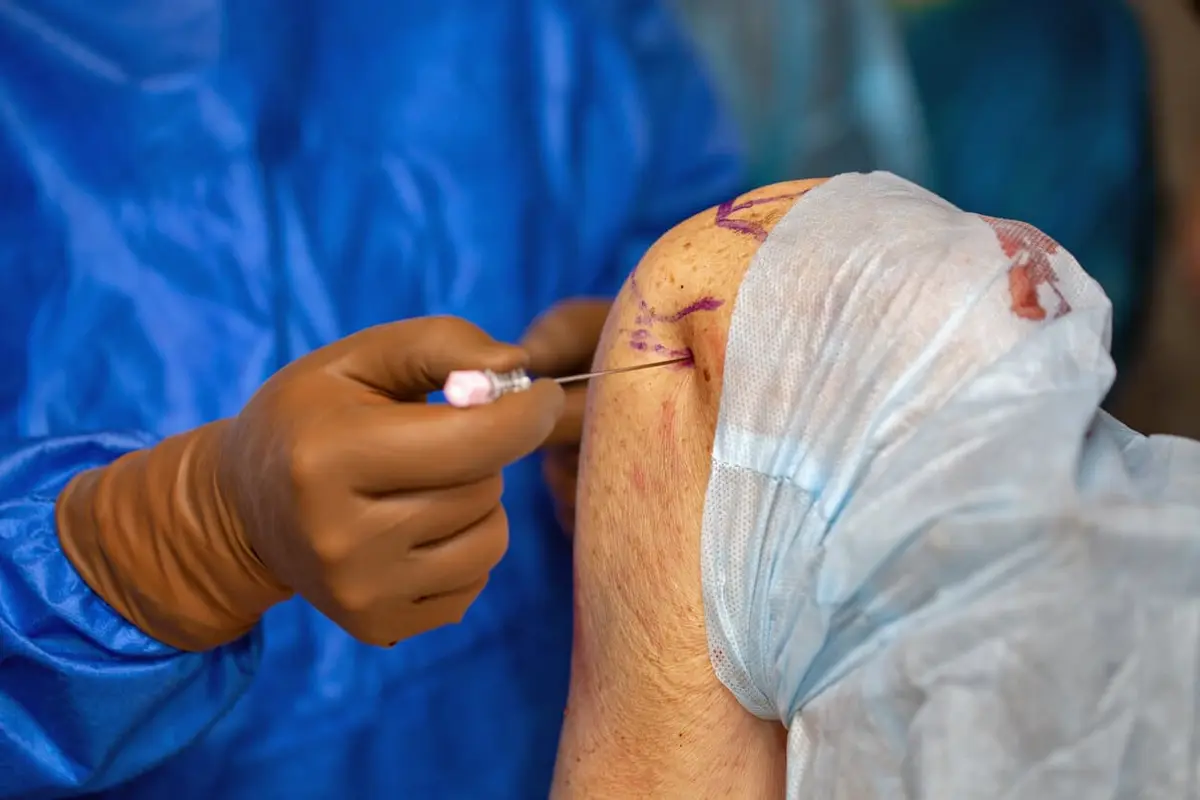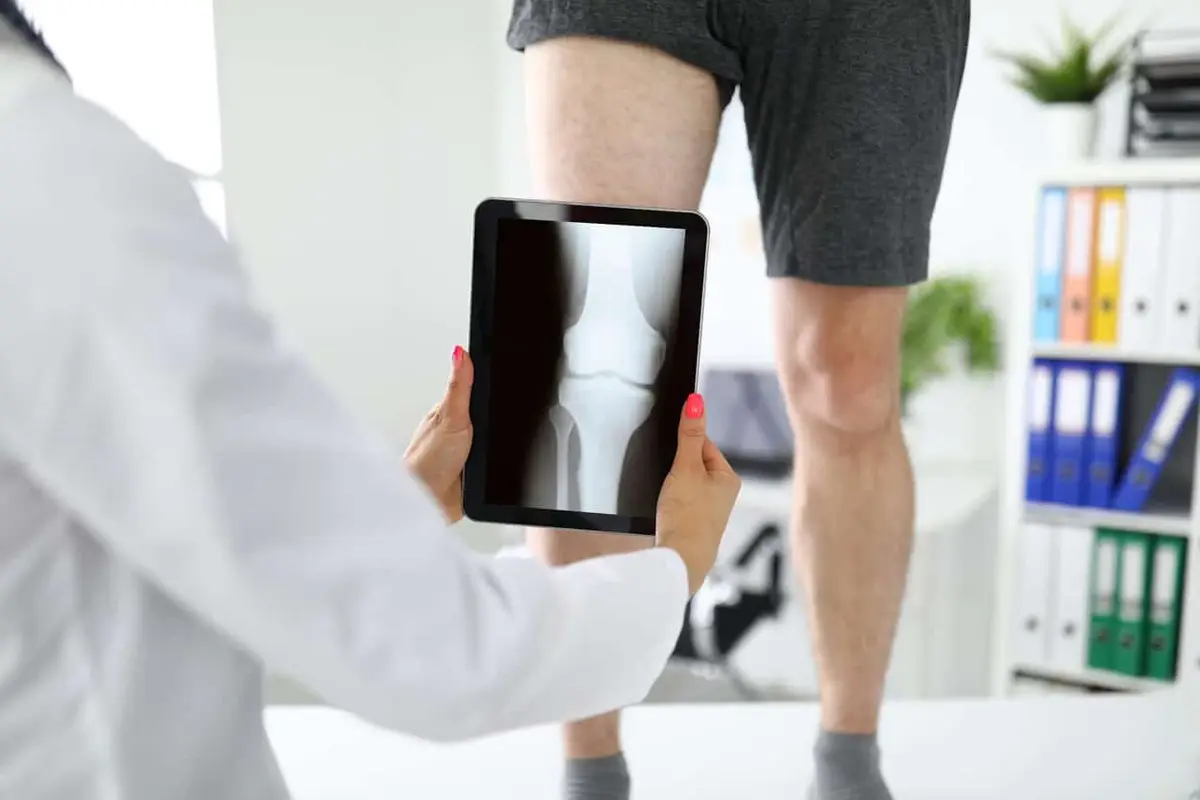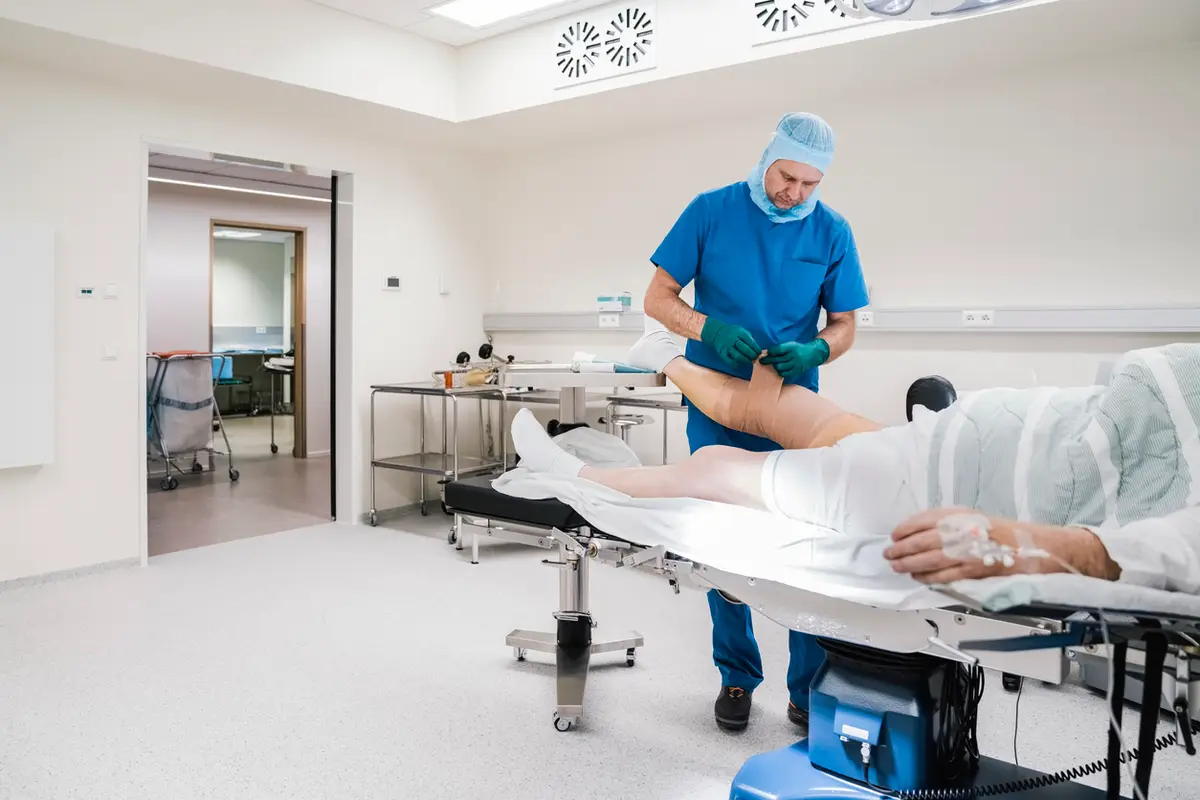
Knee replacement surgery is a common procedure for those with significant pain and mobility issues due to arthritis or other degenerative diseases. While it’s important to consult your orthopedic doctor throughout the process, there are steps you can take after your surgery to have a smooth and effective recovery. These things can help you recover safely and properly and avoid complications along the way.
Here are six tips you should follow:
1. Follow Your Doctor’s Post-Operative Instructions Carefully
It’s important that you follow all the guidelines issued by your healthcare team during the post-operative period.You may be advised against certain activities such as driving, lifting heavy objects, and any exercise until instructed otherwise.
They may also give the following directions:
- Elevate your knee on a pillow or cushion to reduce swelling.
- Apply ice intermittently throughout the day and night to help with the pain.
- Take medications as prescribed to reduce inflammation and manage pain.
- Eat a healthy and balanced diet.
Be sure to ask questions if there is anything you don’t understand before leaving the hospital or surgery center.
2. Keep Your Incisions Clean and Dry
You will need to keep the incision area clean and dry to reduce the chance of infection. Make sure you always wash your hands thoroughly before touching the incision area.
Additionally, make sure to take all prescribed medications as instructed to help with healing. Beware of showering too soon after surgery, as the incision area should remain dry while healing.
You should also watch out for these signs of infection:
- Redness, bleeding, or discharge at the incision site
- Increasing swelling in the knee area
- Severe pain around the incision site
- Fever
If you notice any of these signs, contact your doctor immediately. They may prescribe antibiotics or advise you to come into the office for a checkup.
3. Use Assistive Devices
You may be prescribed certain assistive devices, such as crutches or a walker. These tools will provide added stability during daily activities or physical therapy sessions. Use them correctly to avoid injuries and falls.
Remember, don’t force your operative leg to bear heavy weight right away. Doing so may lead to severe pain and damage.
4. Participate in Physical Therapy
Physical therapy can help strengthen your knee, improve your range of motion, and reduce pain after surgery.Attend all scheduled physical therapy sessions and follow any at-home exercises recommended by your doctor or therapist.
5. Stay Active, but Rest Properly
After being cleared by your doctor, stay physically active in order to help speed up your recovery process.Moderate exercise, typically in the form of physical therapy, will help strengthen muscles around the knee, aiding in healing and restoring mobility and functionality in the joint over time.
Be careful not to overexert yourself. Stick to low-impact activities such as swimming or walking on a level surface. If you don’t know what exercises are safe for now, you can ask your physical therapist.
Adequate rest is just as crucial. Make sure to get a good night’s sleep every day and rest when needed. Doing so will help your body rebuild strength and recover from surgery more quickly.
6. Seek Support As Needed
Don’t hesitate to seek help in the form of counseling, physical therapy, and more. Recovery from major surgery can be challenging. Having access to a support system can help you stay motivated and on track with your rehabilitation goals. Having friends and family around to help around the house and give you company while you recover can boost your mood and give you encouragement to become more active gradually.
You can also rely on your orthopedic surgeon, as they will support you from diagnosis to recovery.You can expect follow-up appointments after the operation with your surgeon. Your doctor will monitor your healing, as well as any potential complications that may arise. This is essential to the recovery process, so make sure to attend all visits.
Knee Replacement Surgery Near You in Boynton Beach, FL
If you are about to have knee replacement surgery, during recovery it is important to follow your doctor’s post-operative instructions, take care of your incisions, and use assistive devices properly. You should also participate in physical therapy, stay active, get enough rest, and seek needed support. These things are all key to a successful recovery after your knee replacement surgery.
Personalized Orthopedics of the Palm Beaches is ready to help the residents and visitors of Florida needing orthopedic care. Our orthopedic doctors and physical therapists can help you recover and get back to your routine in no time.
Call our office today, or fill out our appointment request form. We can answer all your questions and concerns about knee surgery in Boynton Beach and how to recover afterward.
This article is for general education and is not medical advice. For advice about your condition, talk with your physician. Request an appointment with our team.