Knee arthritis happens when the cartilage in the joint deteriorates, causing the knee to become painful and stiff. This condition makes day-to-day movements such as walking and climbing stairs difficult.
When experiencing these symptoms, you may need to seek medical assistance to accurately diagnose your condition. As much as possible, non-invasive procedures are used to treat knee pain or stiffness. However, in more severe cases, surgical procedures such as knee replacement may be recommended by your doctor.
Overview on Knee Arthritis
Arthritis of the knee occurs when the knee joint incurs deterioration or inflammation. Patients with this condition often complain of pain, swelling, and stiffness in the knee. This disease manifests in several forms, but the most common are osteoarthritis and rheumatoid arthritis.
Osteoarthritis
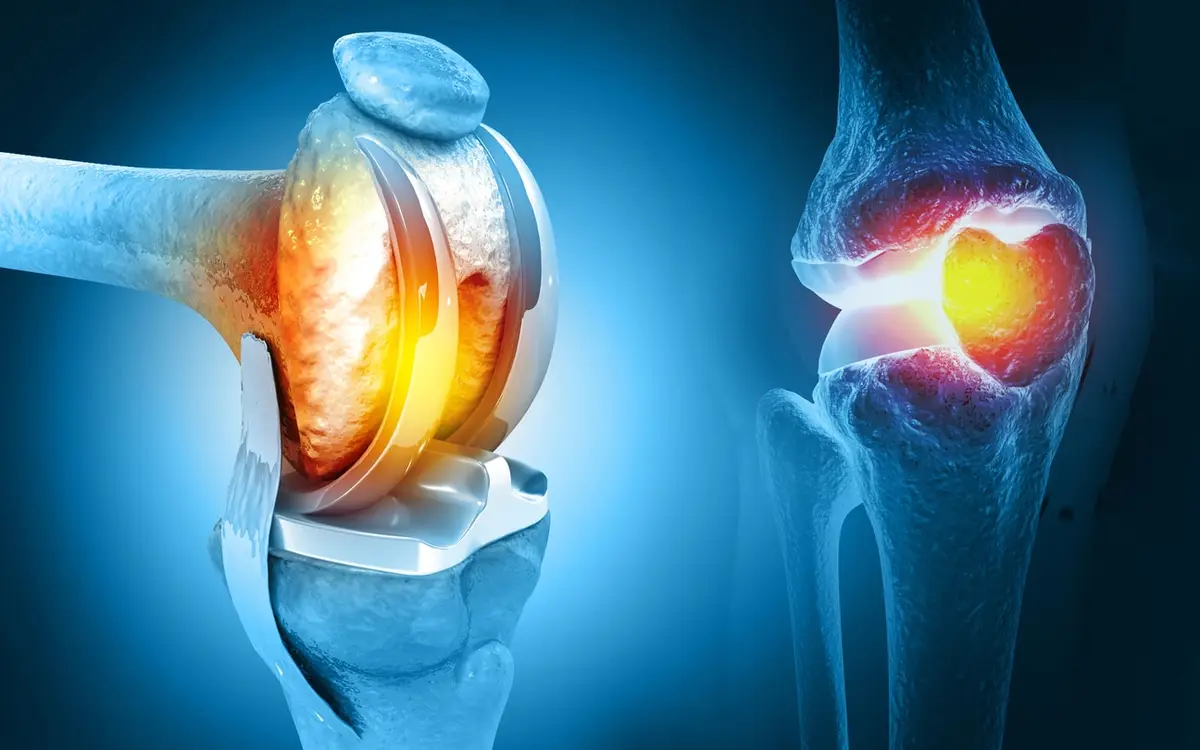
Osteoarthritis is a degenerative joint disease that develops gradually with age. Cartilage, which serves as the protective cushion between bones, starts to break down and the underlying bone begins to change. Nearby connective tissues that hold the joint together may also be affected. As the condition progresses, the bones begin to grind directly against one another, causing pain and restricted movement.
Rheumatoid Arthritis
Rheumatoid arthritis is an autoimmune disease wherein the body’s immune system attacks the lining of the joint capsule. This lining, known as the synovial membrane, is responsible for enclosing the joint parts. Eventually, this condition causes swelling and inflammation of the membrane, with the end result of cartilage and bone deterioration.
What is Knee Replacement Surgery?
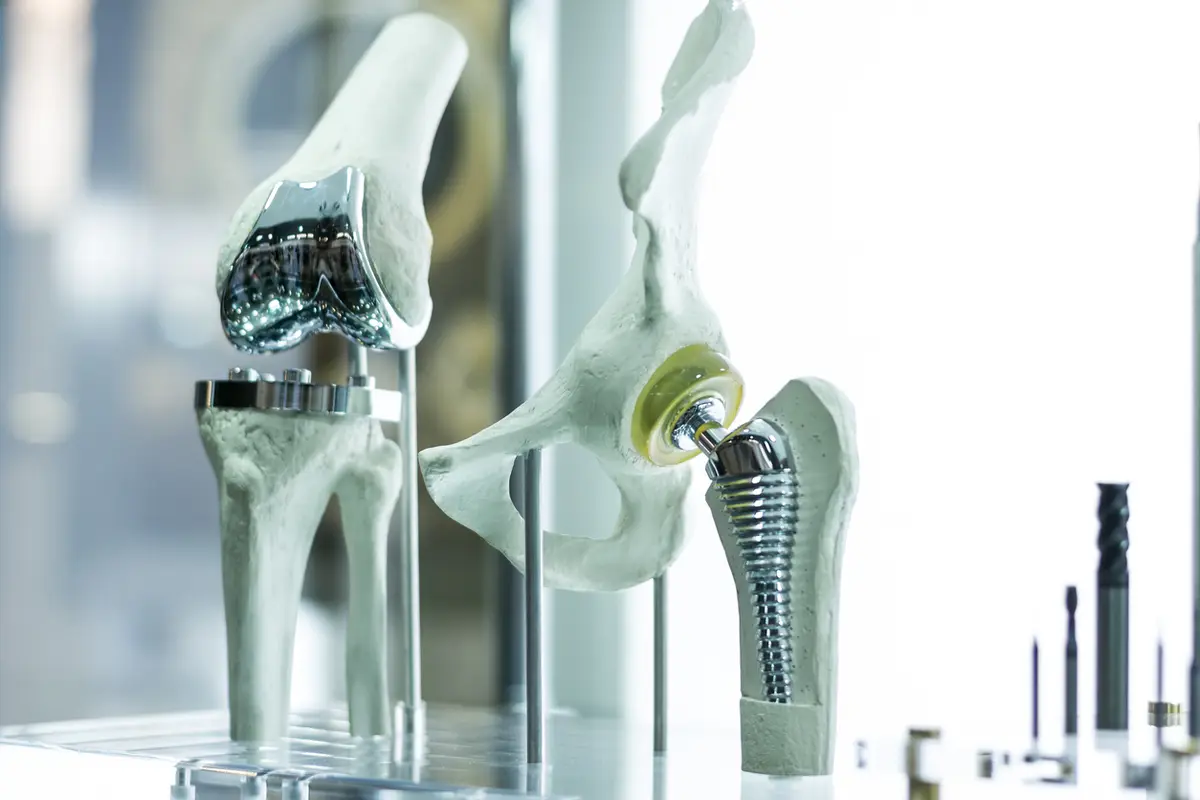
Knee replacement, also called knee arthroplasty, replaces a severely diseased knee joint caused by injury or arthritis. Damaged bones and cartilage from the thigh bone, shinbone, and/or kneecap are replaced with implants made of metal or high-grade plastics. This is a common surgical procedure that helps alleviate pain and stiffness in the knee. It is often performed in older adults but middle-aged and younger individuals may also be candidates if arthritis severely impacts their quality of life.
Difference Between Partial Knee Arthroplasty and Total Knee Arthroplasty
The knee is composed of three compartments, the medial, the lateral, and the patellofemoral. During total knee arthroplasty or total knee replacement, the surgeon detaches all three sections and replaces them with new prosthetic parts. This surgery is usually recommended to patients with severe knee damage.
On the other hand, partial arthroplasty only repairs a single compartment and is usually performed in less severe cases.
Conditions Requiring the Procedure
Doctors always employ non-surgical and minimally invasive treatments prior to recommending surgery. Knee replacement surgery is recommended when such treatments fail to bring adequate relief. Treatments used to treat joint disease first include the following:
- Pain medications (anti-inflammatory drugs)
- Walking aids (cane, walker)
- Exercise
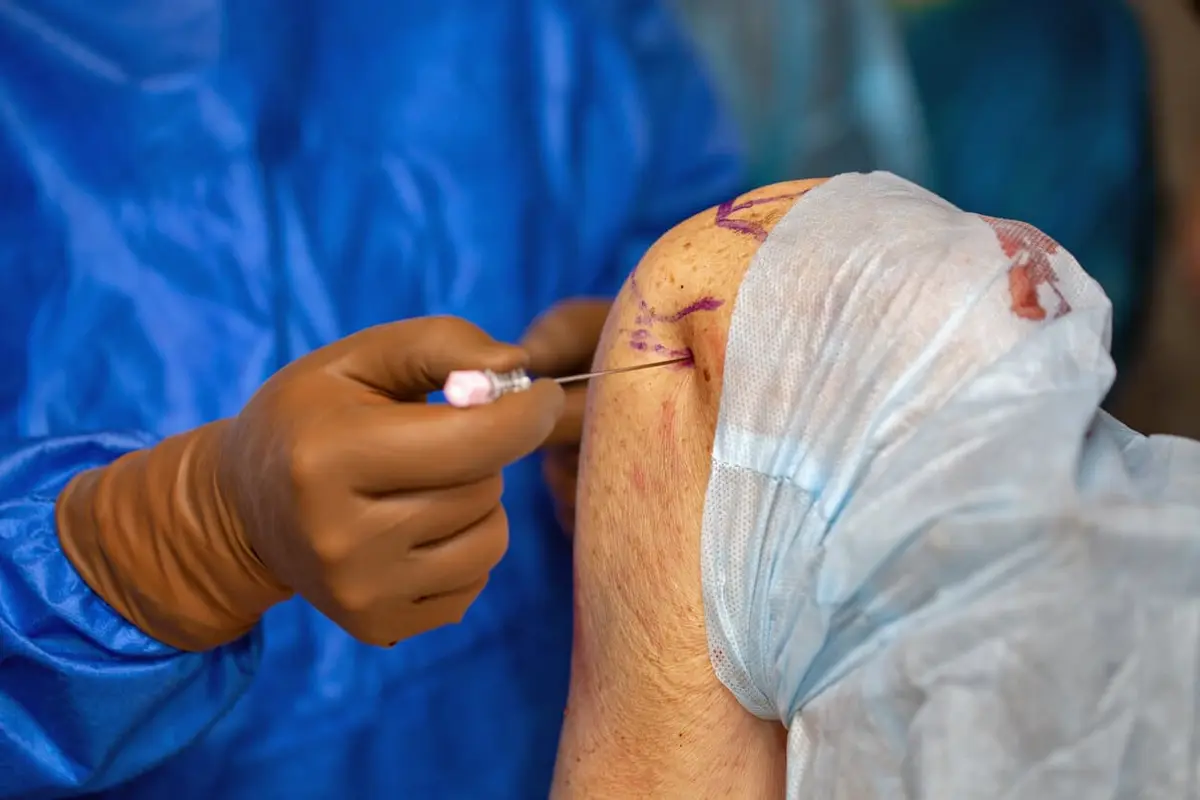
- Viscosupplementation injections
- Limiting painful and strenuous activities
- Physical therapy
Risks or Complications
Knee replacement surgery is generally a safe and effective procedure when performed by a skilled and experienced surgeon. Every attempt to reduce risks will be made by your care team. Here are the risks associated with this procedure:
- Infection
- Wound complications
- Injury and bleeding
- Fracture
- Loosening of the prosthesis
- Stiffness
- Metal hypersensitivity
How Do I Know If I Have to Undergo Knee Replacement?
Consulting with an orthopedic surgeon specializing in joint procedures should be the first thing you do to ensure an appropriate diagnosis and treatment choices are given.
Your doctor will assess your symptoms, from when it started and how it progressed to its current state. They will ask about the level of pain, as well as other factors related to symptoms. Your doctor will ask for your medical history and check your knee strength and stability. They may also examine your knee’s range of motion and conduct several tests, such as X-rays and magnetic resonance imaging, to evaluate the extent of the damage.
Orthopedic Surgeon at Boynton Beach, FL
Knee arthritis is a degenerative disease that could worsen with age. If left untreated, it may result in chronic pain. The stiffness and swelling that come with the condition can also get severe, making daily activities and normal movements challenging.
If you’re concerned about getting knee replacement surgery, the experts at Personalized Orthopedics of the Palm Beaches can provide the proper care you need. Our team is equipped with board-certified and fellowship-trained orthopedic surgeons, physical therapists, and interventional spine specialists. We can provide high-quality surgical and non-surgical treatments for injuries and conditions affecting the musculoskeletal system. Aside from knee replacement, we also offer many on-site services, including physical therapy, platelet-rich plasma (PRP) therapy, iovera treatment, MRI, and X-ray.
Call our office to schedule a visit, or request an appointment through our online appointment request form. We look forward to serving you.
This article is for general education and is not medical advice. For advice about your condition, talk with your physician. Request an appointment with our team.