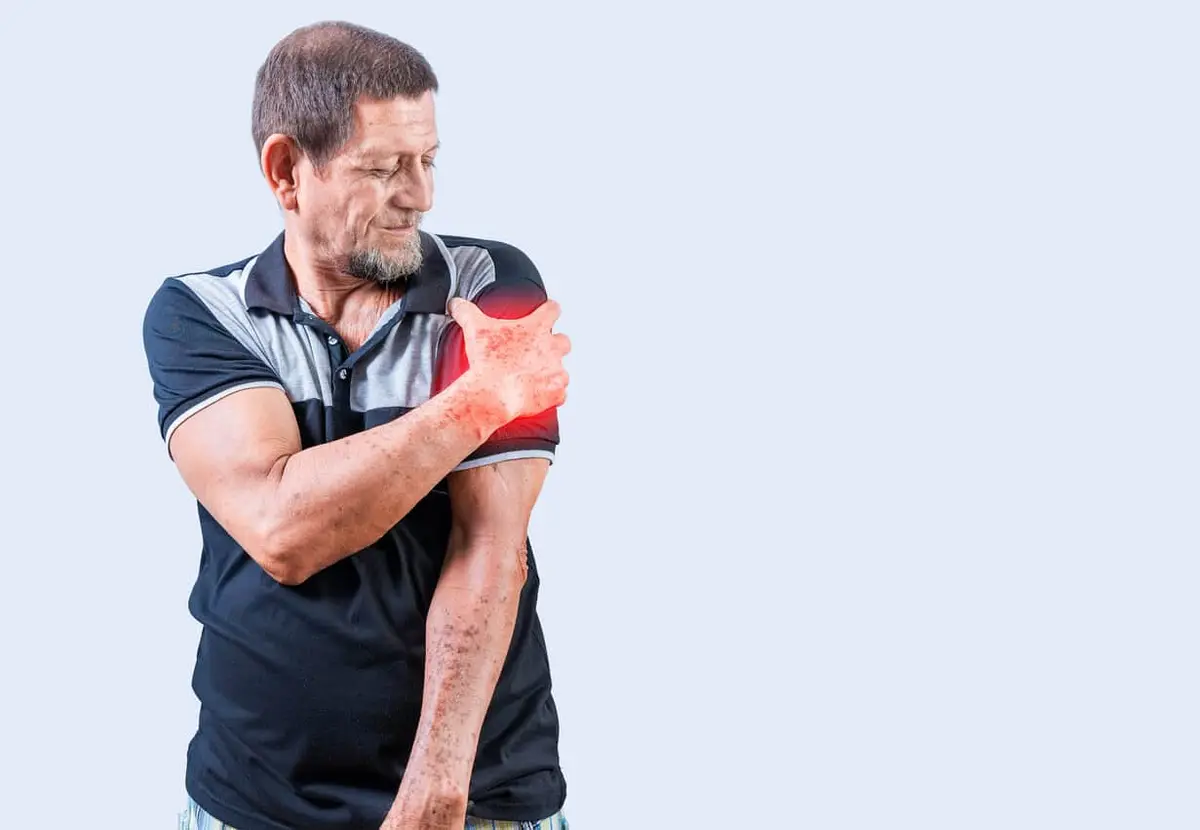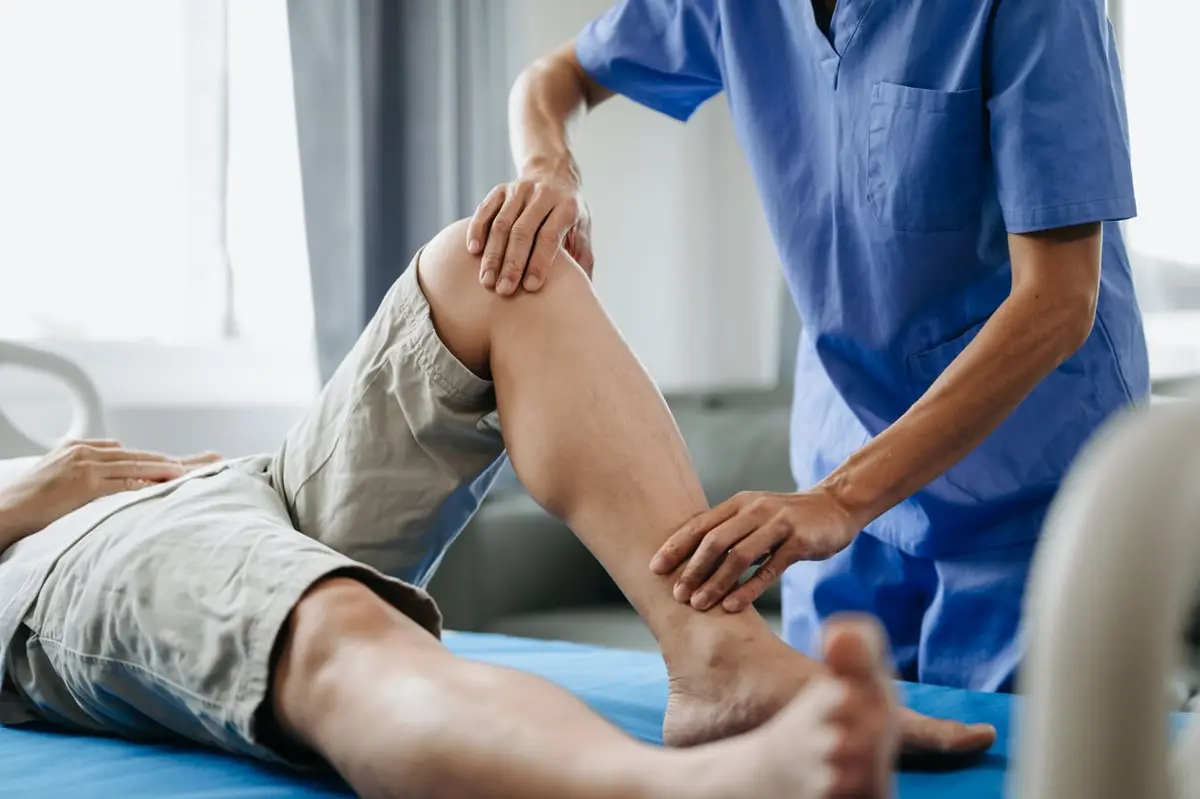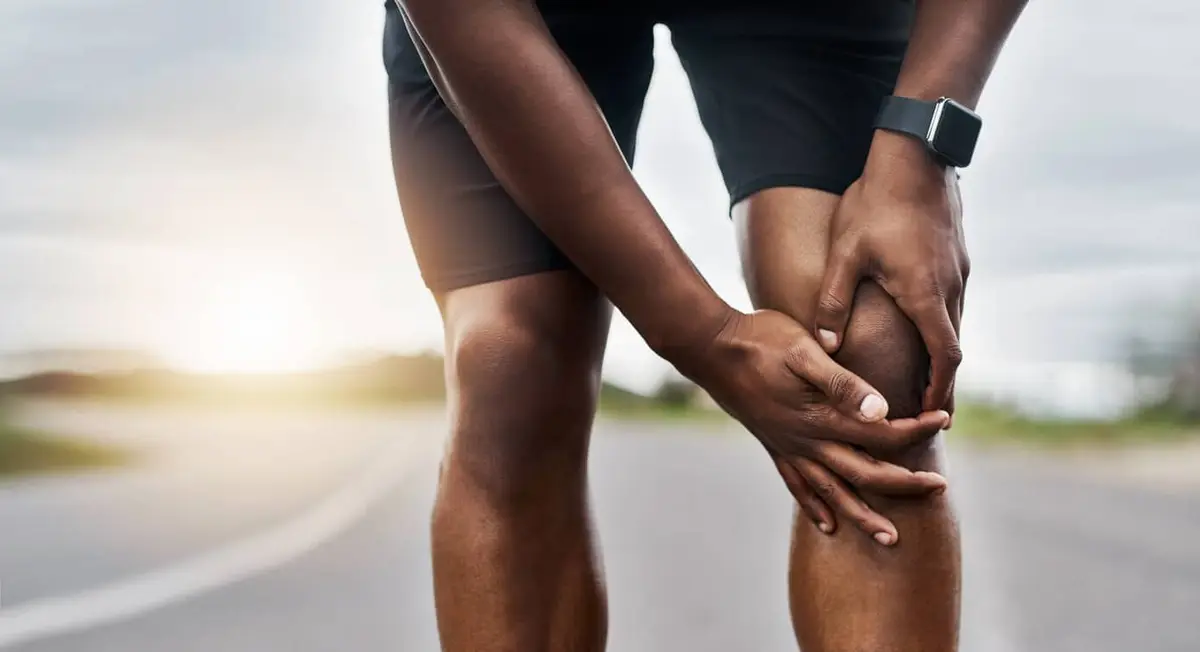
Knee injuries occur often among athletes, both amateur and professional. Whether you’re a dedicated runner, a weekend warrior, or a seasoned sports enthusiast, it can happen at any time. However, by understanding the causes, taking preventive measures, and following proper treatment guidelines, athletes can not only recover from knee injuries but also make a safe and timely return to their favorite activities.
Understanding Knee Pain in Athletes
Knee pain can originate from various sources, and understanding the underlying causes is crucial for effective prevention and treatment. Common causes include the following:
- Overuse
- Physical injuries and trauma
- Underlying medical conditions
Recognizing the signs and symptoms is the first step in addressing knee pain.
Overuse Injuries
Overuse injuries often occur when athletes push their bodies beyond their limits, leading to stress on the knees. Runners, cyclists, and other endurance athletes are particularly susceptible to this type of injury.
Physical Trauma
Traumatic incidents involve sudden accidents or impacts that cause immediate pain and damage. Football players, basketball players, and skiers are at higher risk for these types of injuries.
Underlying Issues
Underlying medical conditions that can cause knee pain often include:
- Osteoarthritis
- Rheumatoid arthritis
- Previous injuries
Signs and Symptoms
Signs and symptoms of knee pain are:
- Persistent discomfort
- Stiffness
- Swelling
- Inflammation
- Limited range of motion
Athletes should never ignore these warning signs, as early diagnosis and intervention can prevent further damage and complications.
Prevention Strategies
Preventing knee pain should be a priority for all athletes. Here are some effective strategies to keep your knees healthy:
Warm-Up and Cool-Down Routines
Before starting any strenuous activity, it’s essential to warm up your muscles and joints. Incorporate dynamic stretches and mobility exercises into your warm-up routine. After your workout, engage in a cool-down session to help your body recover.
Strength and Flexibility Training
Regular strength training exercises, focusing on the muscles around the knee joint, can provide stability and support. Similarly, flexibility exercises help maintain a full range of motion in your knees.
Proper Techniques and Form
Whether you’re lifting weights, running, or playing a sport, using proper techniques and maintaining good form can reduce the strain on your knees.
Adequate Rest and Recovery
Overtraining can increase the risk of knee injuries. Make sure to incorporate rest days into your training schedule and prioritize recovery methods such as foam rolling and stretching.
Appropriate Footwear and Gear
Wearing the right shoes for your activity and using protective gear, such as knee braces for contact sports, can reduce the risk of knee injuries.
Treatment Approaches
If you’re experiencing knee pain, it’s crucial to seek prompt treatment. Here are some common treatment approaches for knee pain in athletes:
Physical Therapy and Rehabilitation
A physical therapist can design a personalized rehabilitation program that includes strengthening exercises, range of motion exercises, and proprioceptive training. These exercises can help improve knee stability and function.
Medications and Pain Management
Over-the-counter pain relievers like ibuprofen or prescription medications can help manage pain and inflammation. It’s important to consult a healthcare professional before using any medication.
Injections
In some cases, healthcare providers may recommend injections, such as corticosteroids or hyaluronic acid, to reduce inflammation and pain.
Surgical Intervention: Knee Replacement
Common procedures include:
- Arthroscopy
- Ligament reconstruction
- Meniscus repair
- Knee replacement surgery
Knee replacement surgery can also be a game-changer for athletes dealing with chronic knee pain and limited mobility. This procedure involves replacing damaged joint surfaces with artificial components, restoring function, and reducing pain.
Return to Play
One of the most challenging aspects of recovering from a knee injury for athletes is knowing when it’s safe to return to their sport. Here’s how the process typically works:
Importance of Medical Clearance
Athletes should never rush back into their sport without proper medical clearance. Consult with your healthcare provider and follow their recommendations closely.
Gradual and Phased Approach
Returning to sports should be a gradual process. It often involves functional testing to assess your readiness. You’ll gradually reintroduce sport-specific drills and exercises into your routine.
Monitoring Progress
Throughout the return-to-play process, your progress will be closely monitored. Your healthcare provider and physical therapist will evaluate your knee’s stability, strength, and range of motion along the way.
Psychological Readiness
Don’t underestimate the psychological aspect of recovery. Fear of re-injury or hesitation can affect your performance. Work with a sports psychologist if needed to build confidence.
Avoiding Re-injury
The goal is not just to return to play but to stay in play. Athletes should be cautious and proactive in avoiding situations that could lead to a recurrence of their injury.
Knee Replacement Surgery in Boynton Beach, FL
In the world of sports, knee injuries are a common and challenging obstacle. However, with a combination of prevention strategies, effective treatment approaches, and a cautious approach to returning to play, athletes can overcome knee pain and continue pursuing their passion for sports. Remember that the key to success lies in early intervention, professional guidance, and a commitment to long-term joint health and athletic success.
If you’re looking for assistance with a knee problem, visit the Personalized Orthopedics of the Palm Beaches. Our surgeons are all board-certified and fellowship trained. As our name implies, we will personalize our approach to your specific needs to ensure that you receive excellent care.
Give our office a call, or request an appointment through our website.
This article is for general education and is not medical advice. For advice about your condition, talk with your physician. Request an appointment with our team.