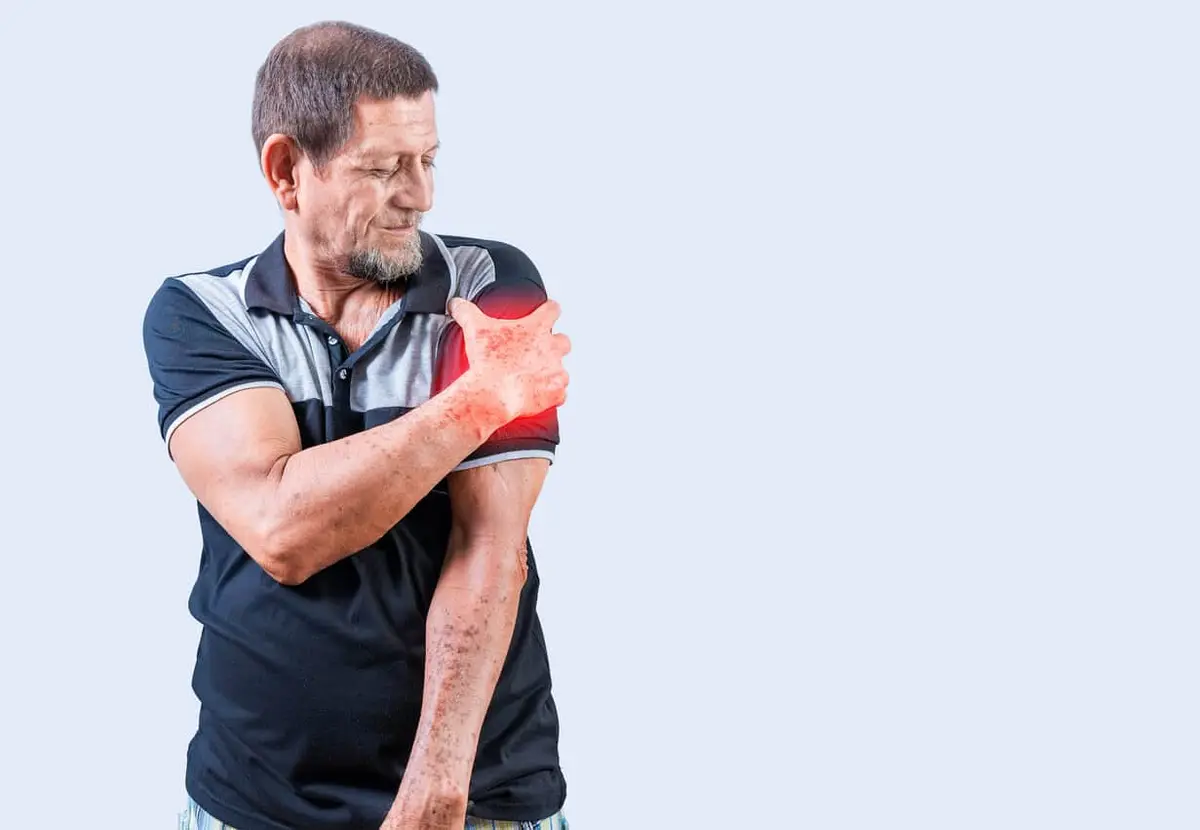
Many people believe osteoporosis only affects women, but that is not true. Men can also develop this condition, especially after the age of 50. Osteoporosis makes the bones weaker and more likely to break, which can lead to serious health problems. It is important to learn about the treatment options available.
This article will help explain osteoporosis in men, treatments, and how they can improve bone health.
What is Osteoporosis and How Does It Affect Men?
Osteoporosis is a condition that makes bones weak, fragile, and more likely to break. Many people think it mainly affects women, but men can develop osteoporosis, too. This condition occurs when bones lose density and strength over time.
Men can get osteoporosis due to:
- Aging
- Low levels of testosterone
- Long-term illnesses
- Unhealthy lifestyle habits
- The use of certain medications
These factors can cause bones to weaken and put men at risk for fractures.
If osteoporosis is not treated, serious problems can happen. Fractures often occur in important areas like the hips, spine, or wrists. These injuries can cause pain, difficulty moving, and long recovery periods. Learning about osteoporosis and early treatment can help keep bones stronger and improve overall health.
Osteoporosis in Men: Treatments
Treatment options can vary depending on what you need. Medication, lifestyle changes, and medical intervention can help strengthen bones and reduce the risk of fractures.
1. Medical Diagnosis and Monitoring
To start treating osteoporosis, it is important to get the right diagnosis. A bone density test, called a DEXA scan, is used to check bone strength.
Are you over 50 or have a family history of osteoporosis, past fractures, or long-term health problems? If so, you should talk to your orthopedic doctor about having this test. After you begin treatment, regular monitoring is important. Follow-up bone scans are done to see if the treatment is working and if your bones are becoming stronger. These updates help ensure your treatment plan is helping you maintain better bone health.
2. Medications for Bone Health
There are different medications to help men with osteoporosis. Each type works in its own way to improve or maintain bone health. Each of these treatments can play an important role in keeping bones strong and reducing the risk of fractures. Always talk to your doctor to find the right option for you.
Bisphosphonates
These medicines are often the first choice to treat osteoporosis. They slow down the activity of cells that break down bone, which can help lower the risk of fractures. Some examples of medicines for bone health are:
- Alendronate
- Risedronate
- Zoledronic acid
Testosterone Replacement Therapy (TRT)
Men with low testosterone levels may have weaker bones. Testosterone therapy can improve bone density in such cases. It is often recommended for men who have both low testosterone and osteoporosis.
Denosumab
This is an injectable medicine given every six months. It works by stopping cells that break down bone. Denosumab is useful for men who cannot use bisphosphonates.
Teriparatide
This medication helps bones grow by mimicking a natural hormone. It is used for men with severe osteoporosis or those who have already had fractures.
3. Calcium and Vitamin D Supplements
Calcium and vitamin D are essential for healthy bones. Calcium strengthens bones, while vitamin D helps your body absorb it. Men over age 50 need 1,000 to 1,200 milligrams of calcium and 600 to 800 IU of vitamin D daily. Dairy, leafy greens, fatty fish, and fortified foods are good sources. If your diet does not provide enough, supplements can help maintain strong bones.
4. Lifestyle Modifications
Certain lifestyle changes can greatly improve bone health and reduce the risk of complications.
Weight-Bearing Exercises
Activities like walking, jogging, and strength training help maintain bone density. They do so by encouraging your bones to adapt to physical stress.
Quit Smoking
Smoking accelerates bone loss and increases fracture risk. Quitting can significantly improve your overall bone health.
Limit Alcohol
Excessive alcohol consumption negatively impacts bone density. Keep your intake within recommended limits to avoid further bone loss.
Nutrition
Along with calcium and vitamin D, focus on a diet rich in magnesium, potassium, and protein. These nutrients support overall bone health.
5. Fall Prevention Strategies
Fractures in people with osteoporosis often result from falls. Preventing falls is an essential part of managing this condition.
Here are some practical tips to minimize the risk of falling at home:
- Install grab bars in bathrooms.
- Remove tripping hazards like loose rugs.
- Improve lighting in all areas of your home.
- Wear proper footwear with good traction.
6. Physical Therapy
For men with osteoporosis, physical therapy can help improve balance, mobility, and strength. A physical therapist can design a customized program for you. It will target areas of weakness and teach you exercises to prevent falls.
7. Surgical Options
Surgery as an osteoporosis treatment is rare. However, it might be necessary for men with severe osteoporosis who experience multiple fractures. Vertebroplasty or kyphoplasty can help stabilize spinal fractures. Meanwhile, hip replacement surgeries may be required for those with hip fractures.
Overview of a Holistic Approach
Osteoporosis treatment tends to work well when multiple approaches are combined. Incorporate medication, supplements, and lifestyle changes into your plan. Open communication with your orthopedic surgeon is key to creating a strategy that works.
Osteoporosis in Men: Treatment in Boynton Beach, FL
Osteoporosis can be a daunting diagnosis, but it is manageable with the right approach. It is important to know the treatment options available. This way, men can take significant steps toward stronger bones and a better quality of life.
You can trust Personalized Orthopedics of the Palm Beaches. Our specialized care team is dedicated to helping you manage osteoporosis effectively. Call our office today or request a consultation to start your personalized treatment plan. Together, we can optimize your bone health for years to come.
We look forward to serving you!
Sources:
https://my.clevelandclinic.org/health/diseases/4443-osteoporosis
https://www.mayoclinic.org/diseases-conditions/osteoporosis/symptoms-causes/syc-20351968
https://www.mayoclinic.org/diseases-conditions/osteoporosis/diagnosis-treatment/drc-20351974
This article is for general education and is not medical advice. For advice about your condition, talk with your physician. Request an appointment with our team.