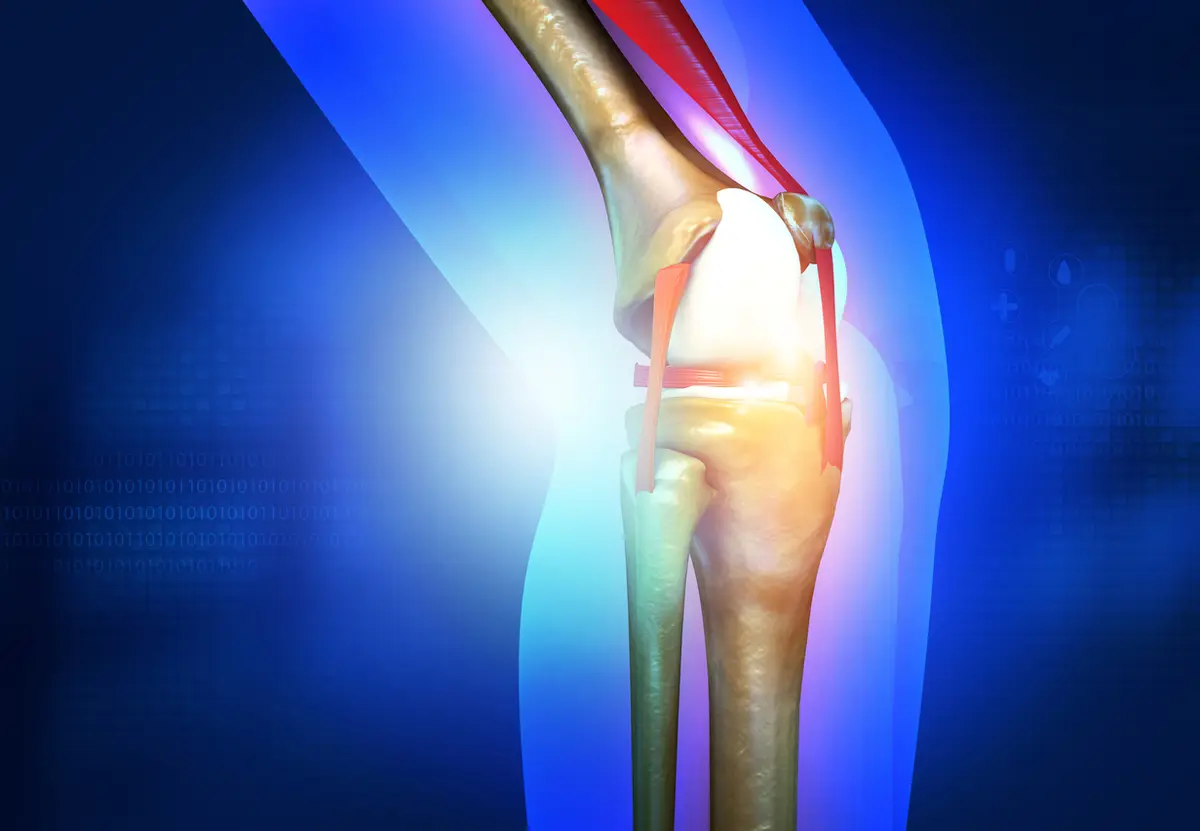
Knee replacement implants usually last for 15 to 20 years, depending on the patient’s use. Patients who have undergone the procedure at a younger age may eventually need a second surgery. Other causes, such as infection, may require the implants to be removed and replaced. This procedure is called a knee revision and is more complicated than the initial knee replacement surgery.
Read on to learn more about knee revision surgeries.
Revision Total Knee Replacement
This procedure involves the total removal and replacement of all implants placed on the first surgery. It is also termed reoperation and is essentially the second surgery to implant a brand new prosthesis.
When undergoing a revision total knee replacement, all parts of the prosthesis will be replaced with a new one. This will require extensive planning and preparation because the surgery can have a lot of risks.
Revision Partial Knee Replacement
This is also called a unicompartmental knee arthroplasty (UKA) and is usually done on patients with osteoarthritis. This is a less invasive procedure employed when only one compartment or part of the knee is affected. During surgery, the surgeon will remove the part and replace it with a brand new one. It is most beneficial in lowering the risks of surgical complications compared to total knee replacement.
Revision Surgery for Patellar Dislocation
After a total knee replacement surgery, one of the most common post-surgical complications is patellar dislocation. This may be due to improper technique and incorrectly aligned prostheses.
During this surgery, the surgeon will properly align the implants to reduce the risk of inflammation and improper healing. Once the patella is in its proper place, it should last for 15 to 20 years.
How Long Does Recovery Take?
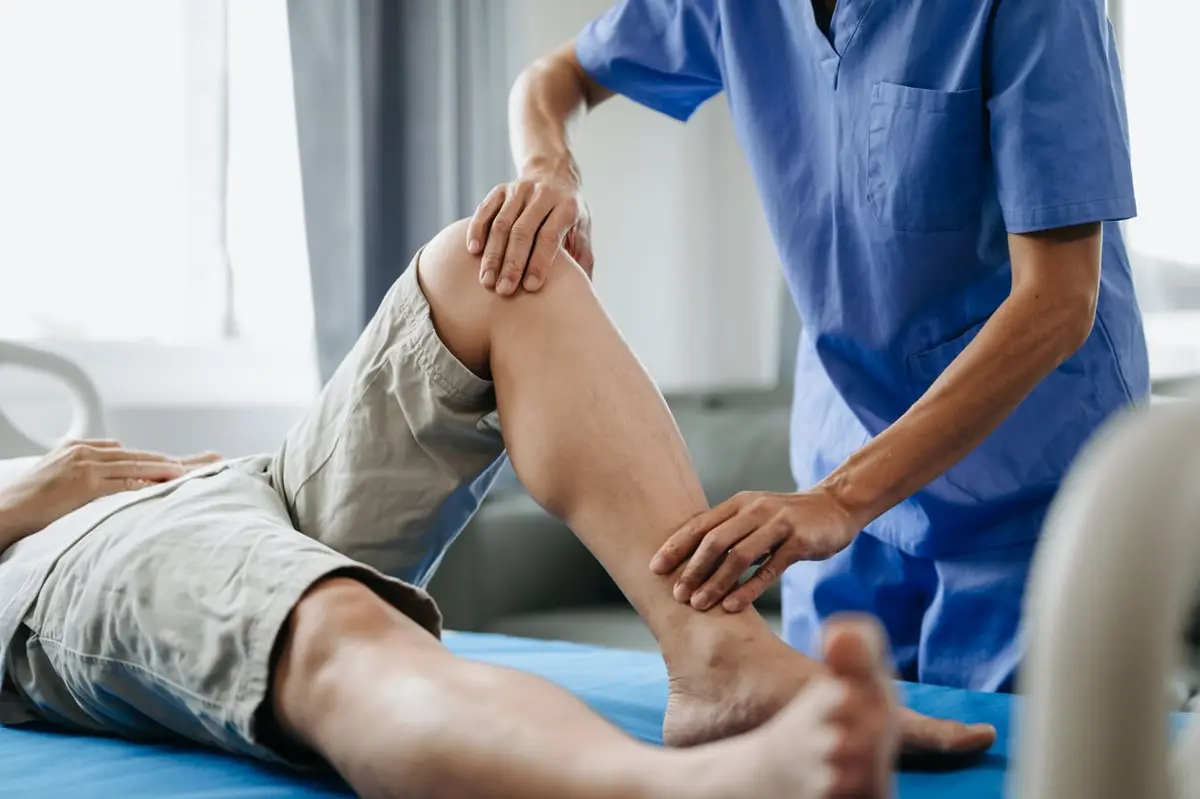
Different patients recover differently. Usually, patients are encouraged to undergo physical therapy as soon as 24 hours after surgery. This will ease them into their activities and help prevent post-surgical complications.
Revision total knee replacement will take the longest recovery period since this procedure is the most complex. Physical therapy will be employed after the procedure to help the patient regain their mobility and flexibility. This usually lasts for up to 3 months but could be extended depending on the patient’s condition.
What are the Risks of Knee Revision Surgery?
Like any other surgery, knee revision surgery poses its own risks to patients. The most common surgical risks and complications include:
- Infection of the wound, usually treated with antibiotics prescribed by a primary care physician.
- Bleeding into the knee joint.
- Ligament, artery, or nerve damage.
- Bone fracture around the artificial joint.
- Excess bone and/or scar tissue formation around the artificial knee joint. This restricts proper and pain-free movement of the knee and may require another surgery to be removed.
- Patellar (kneecap) dislocation.
- Numbness in the area around the wound or scar.
- Persistent pain in the knee.
- Allergic reaction, can be caused by reaction with the bone cement or other materials used during surgery.
Some cases may result in improper alignment and may require additional surgery to correct it.
Some rare risks include:
- Deep vein thrombosis, A blood clot in the leg characterized by hot, red, hard, or painful areas in the legs in the first few weeks after the operation. This condition can be prevented by using special support stockings, minimal walking after surgery, and taking blood thinners prescribed by your doctor.
- Pulmonary embolism, Although very rare, patients could have a traveling blood clot in their lungs. This may result in breathlessness and chest pains. This could be life-threatening and needs surgery to resolve.
Knee Revision Clinics in Boynton Beach, FL
A knee replacement surgery can bring back your mobility and flexibility, but the wear and tear of prosthetic implants may eventually result in the need for another surgery.
If you’re looking for a place to get your knee surgery revised, consider Personalized Orthopedics of the Palm Beaches. Our highly-trained and board-certified physicians, together with our skilled physical therapists, can help you from diagnosis to treatment and rehabilitation.
If you wish to know more about us and our services, call our office or visit our website. You can also secure an appointment by using our online appointment request form. We look forward to serving you!
This article is for general education and is not medical advice. For advice about your condition, talk with your physician. Request an appointment with our team.